-
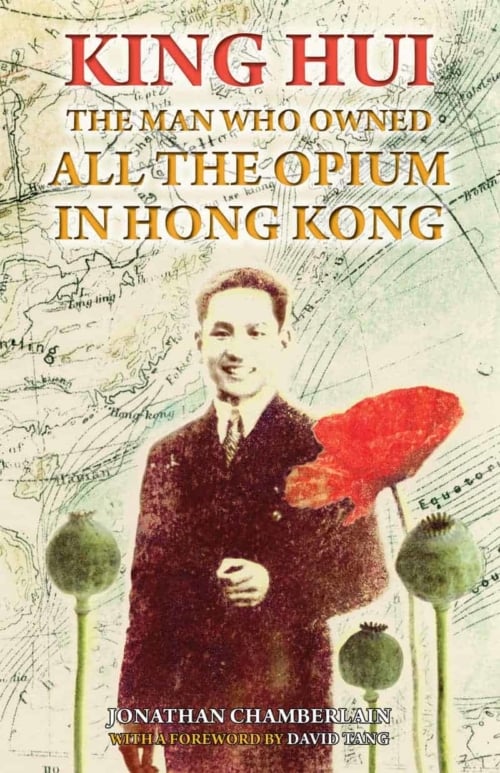 with a foreword by Sir David Tang From the start of the Korean war to the end of the Vietnam war, Hong Kong was a major R&R centre for soldiers and sailors. And there were thousands of local people who made their money making sure these visitors had a good time and got the suits and the girls they wanted. In fact they didn’t just wait for their customers to arrive – they sailed out in a flotilla of small boats to greet the ships as they entered the harbour. And then, when the ships had anchored, they shimmied up the anchor chain to be the first to get the orders for shirts and trousers. These were the tailor shop order men. Peter Hui was one of them. But who was Peter? What was his story? Well, before he took to being a tailor he had been a famous kung fu fighter; a rich playboy, a frequenter of the pleasure houses of Macau; a gambler (he had run three gambling joints in Canton when the Communists walked in); the brains behind a gang of armed robbers (he alone escaped arrest when their third robbery went wrong); an associate of triads – and, before all that, he had been the owner of the biggest string of Mongolian ponies at the Hong Kong Jockey Club – that was during the war years when he was a leading collaborator of the Japanese. He had once, for a very short time, owned all the opium in Hong Kong! Later, after his tailoring days had gone flat, he was paid by a CIA officer to report on events in China. This was during the tumultuous years of the Cultural Revolution, when Red Guard factions fought amongst each other. Some periods in history are best illuminated by the stories of men and women who lived through them. This is one of those stories. As we follow Peter’s life – his ups, his downs – we see in sharp focus what it was like to be a Chinese man in the British colony of Hong Kong through most of the years of the 20th century. This is the true, bizarre story of a man who knew everybody and saw everything. He wasn’t a wicked man. He was just trying to get by, like everyone else. This is his truly fascinating story. And yet this book is not just one man’s story. It is the story of a time and place – colonial Hong Kong, Portuguese Macau and the south China hinterland between Hong Kong and Canton – seen from the unique point of view of a man who was at home at all levels of society. There are, for example, no other published accounts of the Japanese occupation of Hong Kong as seen from the non-combatant Chinese perspective. The World of Suzie Wong was a best-selling novel in the 1960s – and this story is its background. If Suzie had been a real girl, Peter would have known her. Look inside this book Click on the following link to view sample pages from King Hui. You will need a pdf reader to view this excerpt. Introduction
 -

With sensitivity and tenderness, Starkie Mak has captured a tale of the immigrant experience, from the eyes of a child. Masterfully rendered with careful homage paid to the children’s books that have touched the hearts of so many, Mak’s brush strokes and calligraphy evoke the turbulent emotions and difficulties a child must surely experience when having their little world upended, only to have a much larger and foreign world unfold before them.
In a heartbreaking parting, a child says goodbye to her family and is left with her imagination as guide. In search of a new life in a new land, a child retreats into the realm of fantasy. Through the devastating pain of childhood loss emerges the joy of a child’s triumph.
-

With pen-and-ink illustrations by Gary Yeung
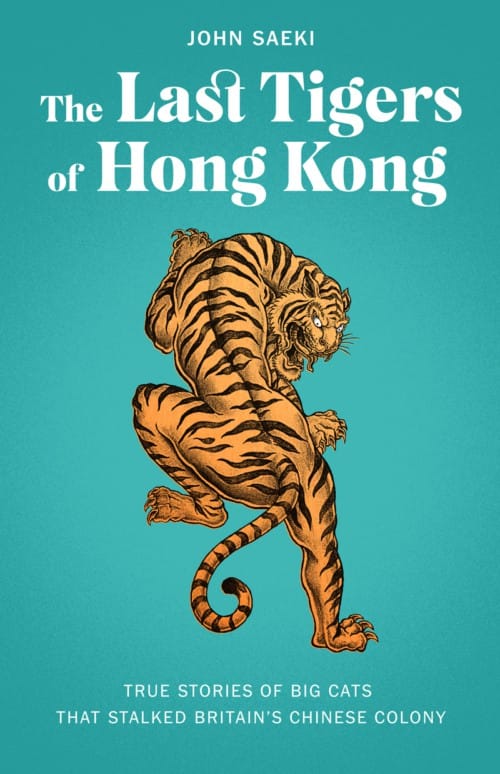
Tigers came to Hong Kong. They preyed on pigs, chickens, cattle and deer. They sometimes killed people. They came to Hong Kong most years through to the end of the 1950s, and possibly into the 1960s. As long as there were South China tigers in the wild, Hong Kong saw some of them.
They stopped coming when they were on their way to extinction in their homeland across the border. Not many people know this, and not many people believe it to be true. But it is true, tigers came. And this is the first written history of the Hong Kong tiger.
LOOK INSIDE THIS BOOK
Introduction Chapter 1
-

Do you have a wardrobe full of clothes but constantly feel like you have nothing to wear? Are you lured by a sale but buy because the price is right instead of the style? Are you guilty of throwing clothes 'away' without knowing where they really go? Would you love to consume more consciously but don't know where to start?
If you've answered yes to at least one of these questions, then this is the book for you.
Hong Kong-based retail professional and sustainable fashion advocate Sheryl Bolden demystifies sustainability within the fashion industry and offers a unique insight into how clothes are bought, worn and discarded. The book's informal chatty tone is relatable, and the pages are packed with tips, tricks and advice on becoming a stylish, savvy and conscious consumer.
Split into three sections that can be read in any order, the book covers everything from shopping and editing your own wardrobe, to exploring innovative new materials and the future of fashion, to simply understanding how fast fashion exploded and changed the industry forever. Punctuated with inspiring and witty quotes and illustrations, this book is perfect for those who strive to curate a wardrobe that reflects their values as well as their style.
-

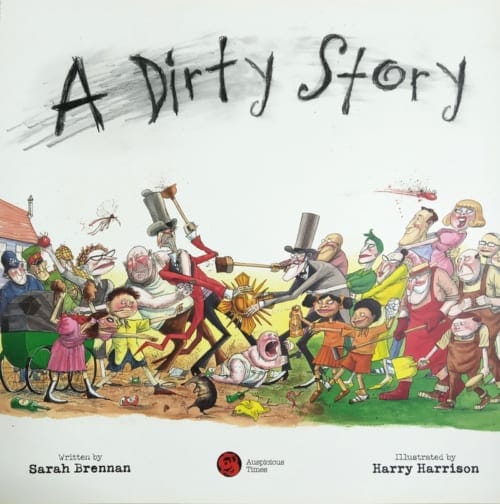
Illustrated by Harry Harrison
“This is a story for girls and boys
Who don’t like putting away their toys;
Who think a bed is a trampoline
And can’t be bothered to keep things clean….”From the creators of The Chinese Calendar Tales comes a tale of dastardly deeds and good clean fun! It’s the eve of the annual Tidy Town competition, and the Neats are working day and night to make their town look exactly right. But then the Grots hatch an evil plan with rather unexpected results!
More rollicking fun with fast-paced rhyme and fabulous illustrations by the best-selling Brennan/Harrison team.
Ages 4 to 8
-

Illustrated by Harry Harrison
“This is a tale of two small towns
Which grace the district of Twinkle Downs:-The first where people are good and smart
And do their chores with a happy heart;
The second where they are bad and mean
And never bother to wash or clean….”Hold onto your hats! The Grots are up to their filthy tricks once more at the Twinkle Downs’ annual Maypole Dance! But they soon learn that life isn’t meant to be greasy when the Neats get even again in this rib-tickling sequel to A Dirty Story.
More rollicking fun for the whole family with Sarah Brennan’s funny, fast-paced rhymes and Harry Harrison’s hilarious illustrations.
Ages 4 to 8
-

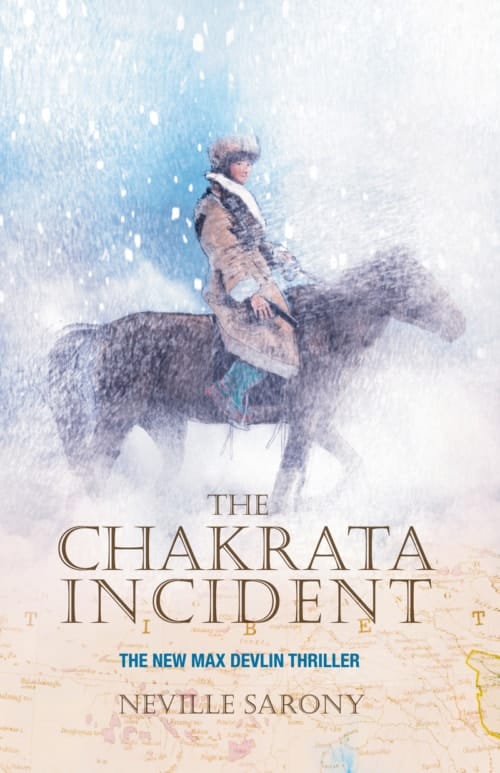
Major Max Devlin, poised for a commanding post in the Royal Gurkha Rifles, is seconded to the SIS for a joint assignment with the CIA at Chakrata, the headquarters of India’s All-Tibetan Special Frontier Force, aka the 22s.
Together with his American counterpart, Devlin is tasked with training and preparing a newly formed elite unit of the 22s for covert cross-border ops inside Tibet, as part of a tripartite project funded by the US to monitor China’s ever-expanding presence in the disputed areas. What begins as a welcome escape for the desk-bound Gurkha officer at the Ministry of Defence quickly becomes deadly toxic – and politically explosive.
A shamanic curse on the misogynist US Ranger risks torpedoing the mission. An Indian cabinet headed by a Sinophile premier and peopled by self-serving ministers is bitterly split on where national (read personal) interests lie. Into the mix come a ruthlessly ambitious Indian intelligence officer whose allegiance is unto himself and a bunch of local politicians bent on avenging the deaths of their salacious sons at the hands of Devlin and his Gurkha sergeant Deepraj.
Once across the Sino-Indian border, the SFF soldiers will be alone – unattributable and expendable if captured by the PLA. Deep into and high on the Himalayas, they come face-to-face with death and torture. Caught in the spinning geopolitical web are three remarkable women – two Tibetan officers and a Muslim combat surgeon – whose courage, faith and skill will be tested to the limits in circumstances beyond their wildest imagination.
As for Devlin, faced with a call on his principles as a professional soldier and the realisation of his cherished ambition in the Royal Gurkha Rifles, he must decide how the die is cast.
A prequel to The Dharma Expedient and Devlin’s Chakra, The Chakrata Incident is Max Devlin’s swansong as a British soldier, setting the scene for his and the trusted Deepraj’s intrepid adventures in the unforgiving terrain that is at the very heart of Asia.
-

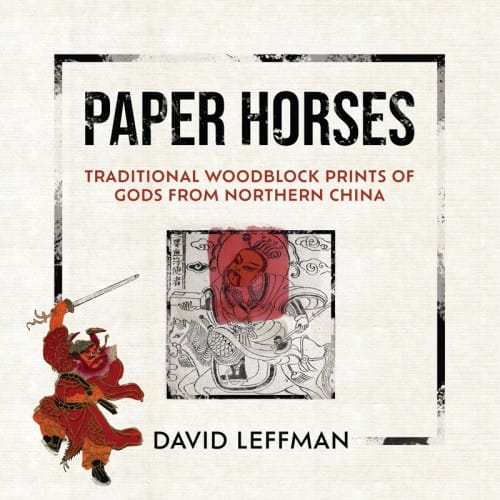
In 2020 a large album of “paper horses” – prayer prints of Chinese gods – appeared for sale. How had these fragile things, cheaply printed in the 1940s and meant to be ritually burned soon after purchase, survived intact for so long? And how come there were at least three other identical sets in collections around the world?
In answering this mystery, author David Leffman explores the history and techniques behind traditional Chinese woodblock printing, which dates back to at least the Tang dynasty (618-907). All 93 “paper horses” in the original album are reproduced alongside biographies of the gods, spirits and demons depicted, providing an illustrated introduction to the complex and fascinating world of Chinese folk religion.
LOOK INSIDE THIS BOOK
Click the following links to read excerpts from the book. -

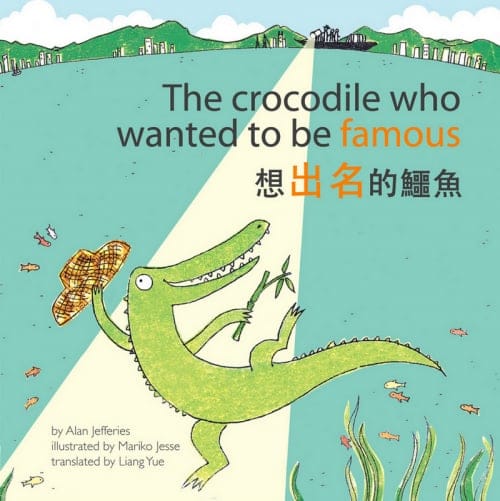
Illustrated by Mariko Jesse, translated by Liang Yue
Published by Sixth Finger Press, distributed by Blacksmith Books
A television-loving crocodile named Crafty swims from his riverside village to find fame in the big city. His arrival is front-page news all around the world! But once there, he begins to question what he really wants.
Inspired by the real-life saltwater crocodile that visited Hong Kong, The Crocodile who Wanted to be Famous blends fact, fiction and fable – a genuine classic in the making.
-

by Romain Jacquet-Lagrèze, published by Blue Lotus Editions
Lion Rock is not just any mountain. It’s Hong Kong’s most famous peak, laden with symbolism and meanings that are evolving over time. Inspired by Hokusai’s important woodblock series “Thirty-six Views of Mount Fuji” which was created in 1830, Romain set out to capture Hong Kong’s famous peak in a similar yet contemporary fashion, in order to express the many faces of this legendary mountain top.
Lion Rock is featured in each of the photos, some in the far distance obscured by high-rise buildings, traffic or bustling markets. In other images, it is more prominent, far removed from the urban jungle, oozing peace and tranquility. Some photos are shot at the break of day, others during the blue moment at dusk. In short, Thirty-six Views of Lion Rock reads like a letter to the mountain that Hongkongers know and love so well.
-

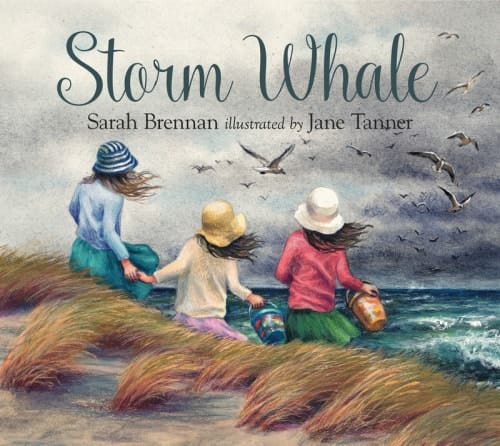
Illustrated by Jane Tanner
Shortlisted for the 2018 Australian Prime Minister's Literary Award, Children's Fiction
A captivating and beautifully illustrated story about three sisters who find a stranded whale on a windswept beach and try to save it.Bleak was the day and the wind whipped down
when I and my sisters walked to town ...
With a powerful, poetic text, wonderful to read aloud, and illustrations full of life and movement, Storm Whale celebrates the majesty and vulnerability of nature and our place in it."A story of the sea and the possibilities of interactions between humans and other creatures… a story of human kindness and hope" - Magpies
Ages 4 to 8
-

It took balls to go to Hong Kong.
When Scottish footballer Derek Currie was made an offer to travel to Hong Kong to play against the one sportsman he had dreamed of meeting on the field, he couldn’t say no.
From apprentice printer in Glasgow to playing football against Pelé in the Far East, singing with Stevie Wonder and shadow-boxing with Marvelous Marvin Hagler, Currie enjoyed a magical life as one of the first three European professional footballers in Asia. He was quickly nicknamed ‘Jesus’ by Hong Kong football fans.
Here he traces the early development of professional football in the then-British colony through his own career: the games, the places and the characters he met along the way.
Given a once-in-a-lifetime opportunity, he didn’t think twice – travelling 6,000 miles across the world to pursue his dream of professional football. In the years that followed, he met international stars from music, showbusiness, boxing and horse racing.
Here in words and pictures is his amazing story – if not for the photographic proof you could be forgiven for thinking it might be a fairy tale! It isn’t.
"An illustrious playing career. An excellent read." – Craig Brown CBE, former manager, Scotland national football team
LOOK INSIDE THIS BOOK
Contents and foreword Chapters 1 and 2 -
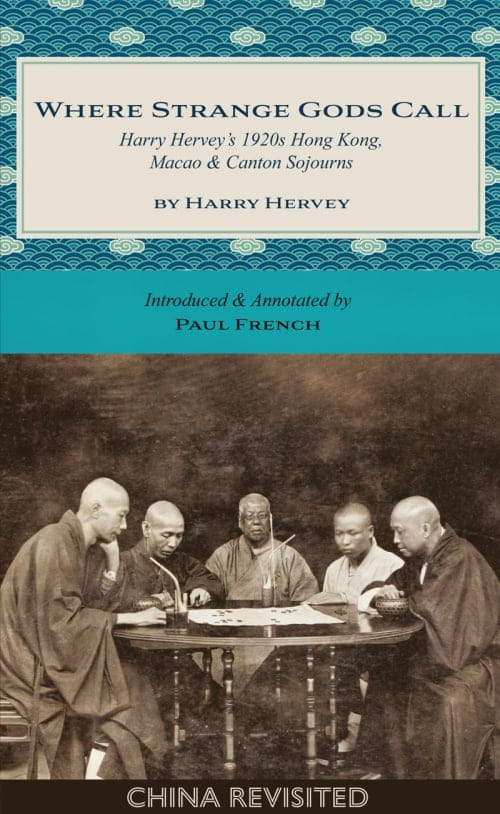
 By Harry Hervey, introduced and annotated by Paul FrenchNo. 1 in the China Revisited seriesAs a young man in the southern United States in the early years of the twentieth century Harry Hervey dreamt of travelling to Asia. He also dreamt of writing novels, movie scripts and travel books. He would do all these things. Eventually, in 1923, Hervey managed to find a way to get to the Far East working on a cruise liner. He was to spend time sojourning in Hong Kong, Macao and Guangzhou. His impressions of his travels through southern China, contained in his 1924 travelogue Where Strange Gods Call, is both lyrical and detailed, as well as atmospheric and informative. Walking from Central to Kennedy Town; the basement “dives” of Belcher’s Street to the private dining rooms of Queen’s Road; Macao’s Praia Grande to its infamous fan-tan houses, Hervey is a fascinating flâneur and guide. So too in Guangzhou, a city in upheaval, where Hervey encounters those fleeing warlord violence in the north and is granted an audience with Dr Sun Yat-sen.Hervey’s impressions of China would stay with him for the rest of his life, not least in his treatment for the 1932 movie Shanghai Express. Sadly, in the intervening century since the first publication of Where Strange Gods Call in 1924, Hervey’s name and work have been largely forgotten. Yet his early travel writing was to influence his later bestselling novels, popular short stories and Hollywood screenplays which, in turn, influenced American perceptions of Hong Kong, Macao and China.
This publication of Hervey’s impressions of southern China also includes the sketches of his good friend the Savannah artist Christopher Murphy Jr., which were included in the first edition of Where Strange Gods Call and bring Hervey’s descriptions further to life.
“Approaching Canton we were gliding past ugly, ramshackle dwellings and go-downs; grass-thatched house-boats, sampans, junks, and lighters, and millions of roofs that were flung in uneven terraces against the sky.”
-
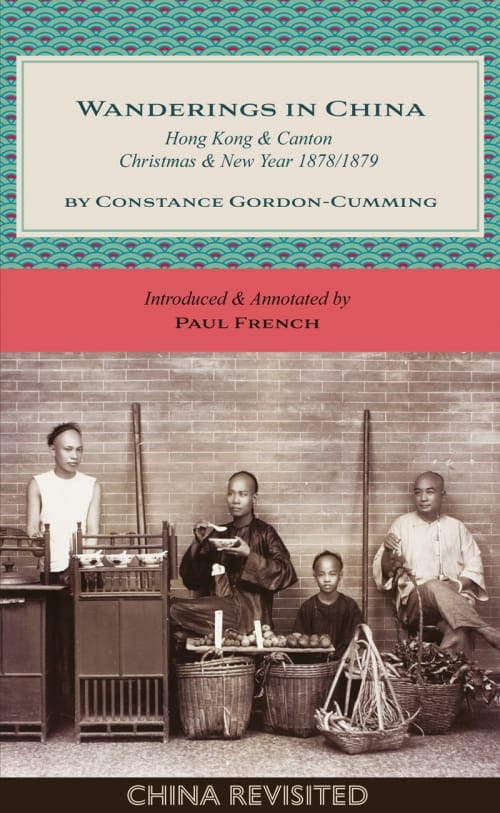
 By Constance Gordon-Cumming, introduced and annotated by Paul FrenchNo. 2 in the China Revisited seriesInveterate Victorian traveller and prolific artist Constance Gordon-Cumming, born in Glasgow in 1837, roamed far and wide from the Scottish Highlands to the American West; the islands of Hawaii to southern China. Even among her many adventures, her 1878/1879 trip to Hong Kong was momentous. Gordon-Cumming arrived just before Christmas 1878 to inadvertently witness the terrible “Great Fire” of Hong Kong that swept devastatingly through the Central and Mid-Levels districts.She then moved on to explorations of the streets, temples and Chinese New Year festivities in Canton (Guangzhou). Her detailed descriptions of the teeming streets of the city’s commercial districts and New Year temple fairs contrast with her temporary residence in the relative calm of the foreign enclave on Shamian Island. Venturing out of the city on expeditions, Gordon-Cumming gives us perhaps one of the most complete descriptions of the now long-gone market gardens of Fa-tee with the famed nurseries that cultivated a bewildering variety of flowers and ornamental trees.
Finally Gordon-Cumming returns to Hong Kong to observe the annual "Derby Day" races at Happy Valley in February 1879, a major event on Hong Kong’s Victorian-era social calendar. Gordon-Cumming is at one and the same time that rare travel writer who, while plunging into the throngs and crowds, manages to observe the minutiae of life around her.
“The flames rapidly gained the mastery, suddenly bursting from fresh houses here and there, where least suspected, and spreading from street to street. That night we stood watching this appallingly magnificent scene – the flames rising and falling, leaping and dancing, now bursting from some fresh house, shooting up in tongues of fire, now rolling in dense volumes of black smoke.”
-
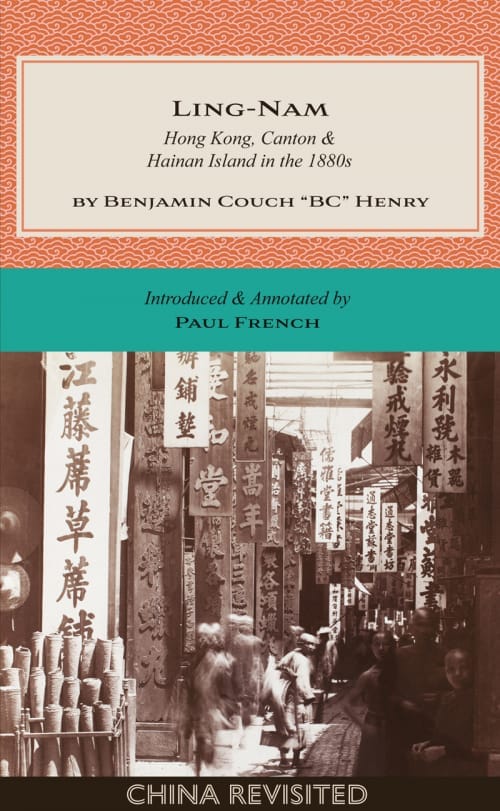
 By Benjamin Couch 'BC' Henry, introduced and annotated by Paul FrenchNo. 3 in the China Revisited seriesBenjamin Couch “BC” Henry was a missionary in Hong Kong and southern China in the second half of the 19th century. He arrived in 1873 and remained until 1894. Yet he was much more too – a keen observer, a skilled naturalist and an intrepid explorer. His fascination with the flora and fauna of Hong Kong and southern China are obvious throughout the pages of LING-NAM.The bulk of his career in China was spent in what was then commonly known as “Ling-nam”, the Pearl River Delta and environs of Guangzhou. These excerpts of Henry’s travelogue LING-NAM, published in 1886, contain one of the most detailed walking tours of Guangzhou that has survived. Similarly so his travels through the silk, tea and market garden regions adjoining the metropolis. Abd finally, we have Henry’s ground-breaking account of his expeditions around Hainan Island in 1882, then the most extensive undertaken to date by a foreigner. He was also a keen anthropologist interested in the island’s various ethnic groups, such as the Lois, as well as the various languages and dialects of Hainan. Henry’s portrait of southern China was built up over 20 years work and exploration in the region and provides one of the most in-depth looks at southern Chinese life from the growth of Hong Kong, to the bustling streets of Guangzhou, to Hainan’s “Island of Palms”.
“Drifting slowly by a large collection of flower-boats, gay with lamps and mirrors, and richly furnished with black-wood sofas and embroidered curtains… Dire confusion is often created among the slipper-boats, whose anchorage adjoins, by the surging of the steamer against their outer lines, causing them to jump, and sputter, and dart about like a swarm of ants, shell-like craft, whilst they vociferously hurl maledictions at the great steamer.”
-

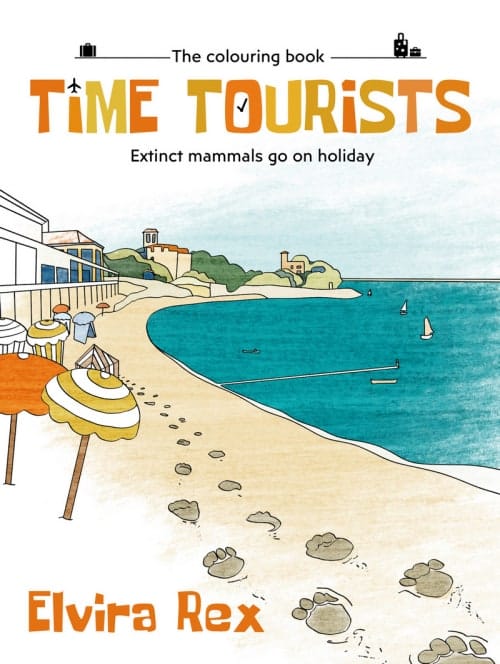
Everyone loves dinosaurs, but so many other groups of wonderfully weird (and often giant) animals used to roam the Earth too – they just never had as good a publicist. The planet has seen tons of bizarre-looking mammals, which were closer to us both in biology and in time.
What if they took a holiday from being extinct?
Take a trip around the globe with these outlandish “time tourists” as they visit the modern-day places each species once called home. Colour your way through space and time and help make their travels brilliant!
-

Nowadays most people are familiar with payments using contactless cards, or even mobile phones. But few know that just after Hong Kong's handover to China in 1997, the city launched the world's first payment system using the then-new contactless smart technology.
Drawing on the author's inside knowledge, this is a definitive history of how the Octopus card emerged, and how it progressed to become the most successful transport-based payment card. Disappointments and mistakes along the way are detailed and comparisons are made with similar systems in Singapore, London, South Korea and Japan. Chapters on lessons learned and the prospects for cashless societies round out the book.
-
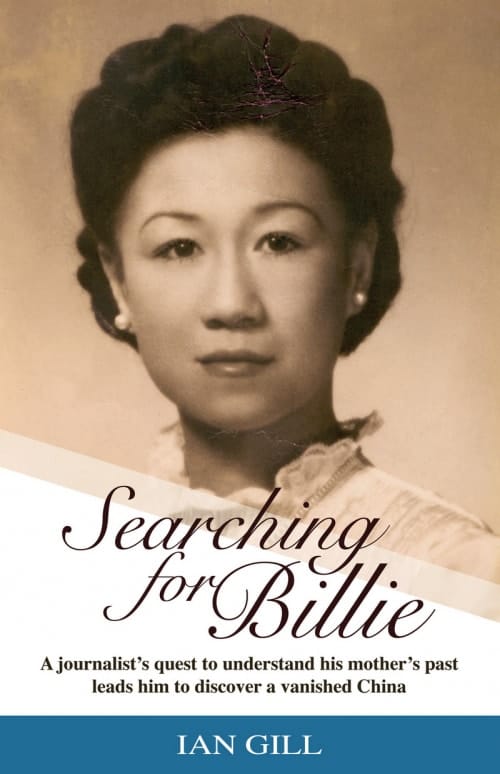
Ian Gill’s first visit to Hong Kong in 1975 takes an unexpected turn when he meets his Chinese mother Billie’s friends, colleagues and fellow ex-prisoners of war, lifting the veil on a tumultuous past in Hong Kong and Shanghai.
He moves to Asia and unravels her intriguing journey: from controversial adoption by an English postmaster in Changsha to popular radio broadcaster in wartime Shanghai, from tragedy and a doomed romance in a Japanese internment camp to being decorated by Queen Elizabeth II for services to the United Nations. He discovers a great-grandmother in a determined English farm girl who ends up owning a well-known hotel on the China coast in the 1870s – and he finally meets his father for the first time on a Canadian island in 1985.
The backdrop for this fascinating family story is China’s turbulent century from the Anglo-Chinese wars of the 1840s to the advent of communism.
Look inside this book:
Contents and Chapter 1 -
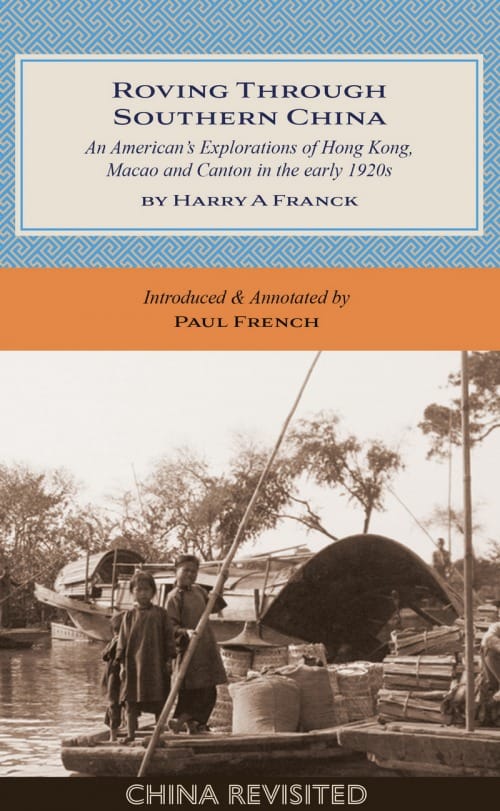
By Harry Franck, introduced and annotated by Paul FrenchNo. 4 in the China Revisited seriesIn the 1920s the American travel writer Harry A Franck was known to readers as the “Prince of Vagabonds”. His wanderings were family affairs and he arrived in southern China in 1923 with his wife, their two young children and his mother. Franck always claimed that his travel plans were random, subject to chance encounters and whatever caught his eye.He arrives in a Hong Kong which is building modern department stores and large houses while labourers sleep on straw mats beside the harbour. In Macao he visits temples, ancient forts and, of course, casinos. And then to Canton (Guangzhou), a city in flux where new buildings are transforming the waterfront, the ancient city walls are being demolished, and the traditional rookeries of small lanes are being replaced by wide asphalt roads as the city rapidly modernises. Franck also provides us with a highly detailed description of Shamian Island a year after the tumultuous strikes and boycotts that meant naval gunboats and barbed wire still protected the small foreign enclave.
-

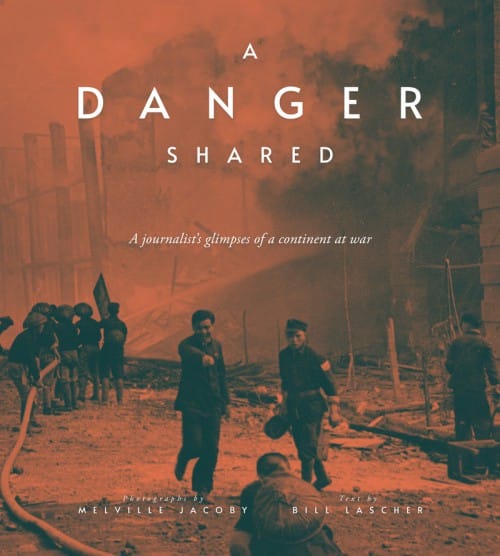
Photographs by Melville Jacoby / Text by Bill Lascher / Foreword by Paul French
A Danger Shared: A Journalist's Glimpses of a Continent at War provides a searing visual history of Asia during World War II as seen by foreign correspondent Melville Jacoby.
In this meticulously curated collection of never-before-seen images, readers experience glamorous Macau soirées, visit Guangxi farms, and witness wartime Chongqing’s wreckage and resilience. Along the way, Jacoby treats Filipino fishermen and Hanoi flower-sellers with the same care as the Soong sisters, Chiang Kai-Shek, and other icons.
Through scenes of everyday friendship, toil, and commerce alongside bombed classrooms, anxious refugees, and exhausted soldiers, A Danger Shared documents humanity’s persistence at a cataclysmic historical moment.
Look inside this book:
Introduction -
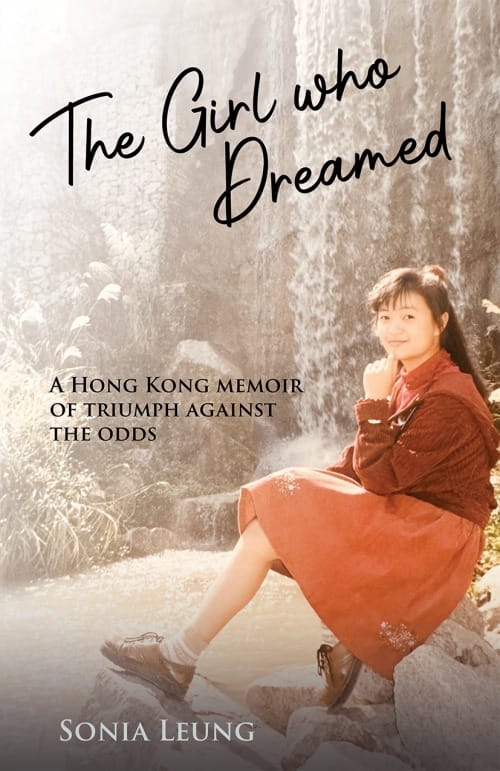
 At the age of 14, Sonia Leung was raped by her ping-pong coach.She had moved from China two-and-a-half years earlier to join her family in Hong Kong, but she could not fit in. The family of six lived in a cramped subdivided hut in a Kowloon squatter village but rarely communicated with each other. The difficulties of adjusting to colonial Hong Kong heightened the tensions between her parents. Feeling trapped and unloved, Sonia was too afraid to tell anyone about the rape. She saved money by working part-time at McDonald's and, a year later, she bought a one-way plane ticket to Taipei and ran away from home.The Girl Who Dreamed is a memoir of her childhood in mainland China, Hong Kong and Taiwan – and how, through work and further education, she found her way to an independent life away from the family and world from which she needed to free herself.
 -
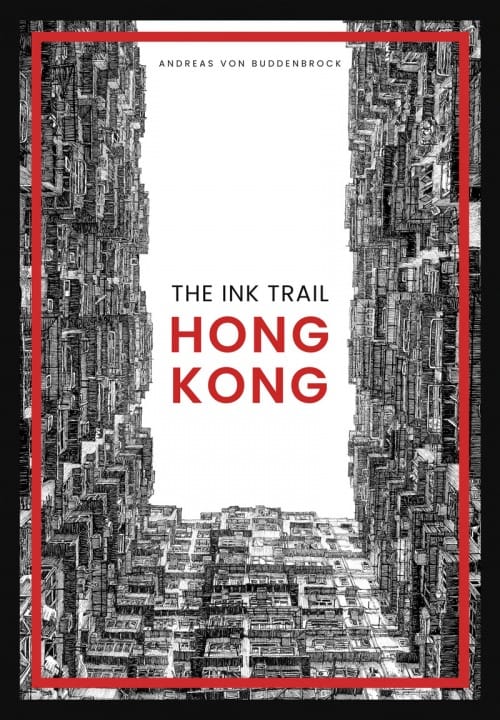
 For years, Andreas von Buddenbrock – also known as “The Ink Trail” – has been filling sketchbook after sketchbook with ink drawings that all aim to capture the places and people he comes across; from market stalls and their vendors to high rises and dilapidated buildings to lush, winding nature trails.The Ink Trail: Hong Kong offers a selection of his best drawings, from the start of his journey in 2017 to the end of 2023. Step into the world of an ink-pen artist as he guides you around the diverse locations of Hong Kong, offering personal anecdotes, thoughts behind his creative process and more.
 -
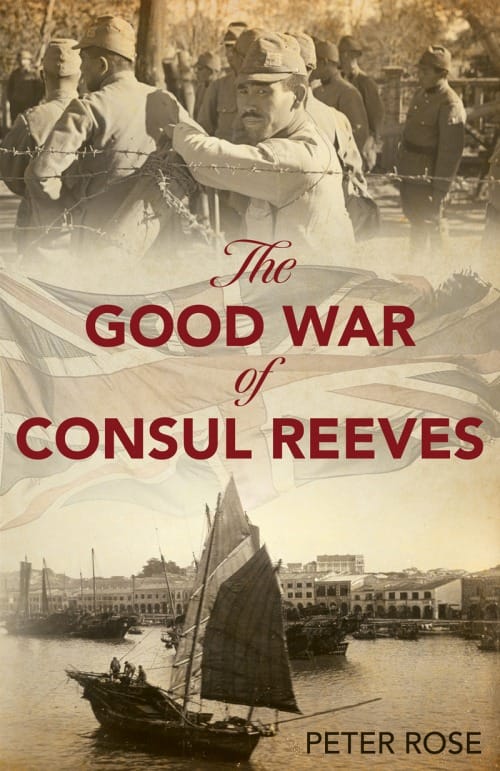
Months before the start of the Pacific War in 1941, John Reeves – his career and marriage failing – is posted as British consul to the tiny Portuguese colony of Macao in southern China.
The Japanese soon declare war on the West with their attacks on Pearl Harbor and Hong Kong. But because Portugal is neutral, Macao is left alone and becomes a tiny island of neutrality, an Asian Casablanca surrounded by Japanese-occupied China.
Reeves, a lonely and awkward man, finds himself the only senior representative of the Allies within a radius of thousands of miles. He runs spy rings, collects intelligence, smuggles people to freedom, takes care of refugees and is threatened with assassination – and The Good War of Consul Reeves tells his story.
-
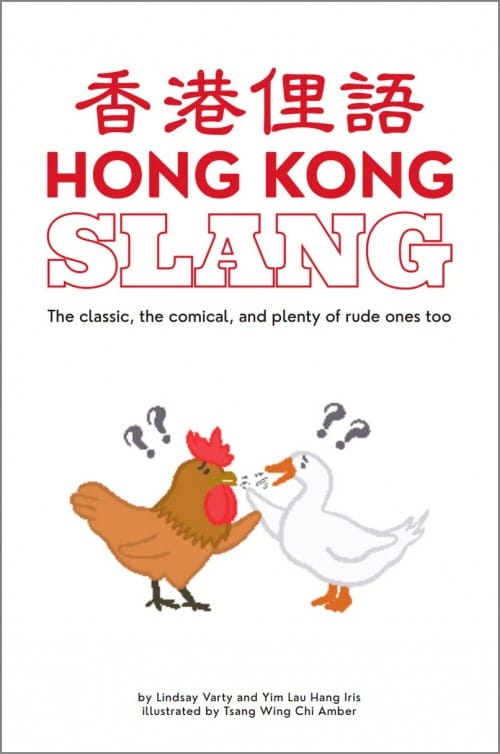
 The classic, the comical, and plenty of rude ones too By Lindsay Varty and Iris Yim, illustrated by Amber Tsang Ever feel like a chicken talking to a duck? Ever ask a girl out, only to be forced to eat lemons? Maybe you've been told that you're a peanut guy? Or perhaps someone has warned you that you're wearing a green hat? No need to be confused! This little dictionary of Cantonese slang will supply you with all the appropriate knowledge to get by in Hong Kong and make you cool at office parties. With illustrations and translations, as well as English slang alternatives, both Cantonese and English speakers can learn and laugh at the joys (and vulgarities) of Hong Kong slang in a celebration of local culture.
 -

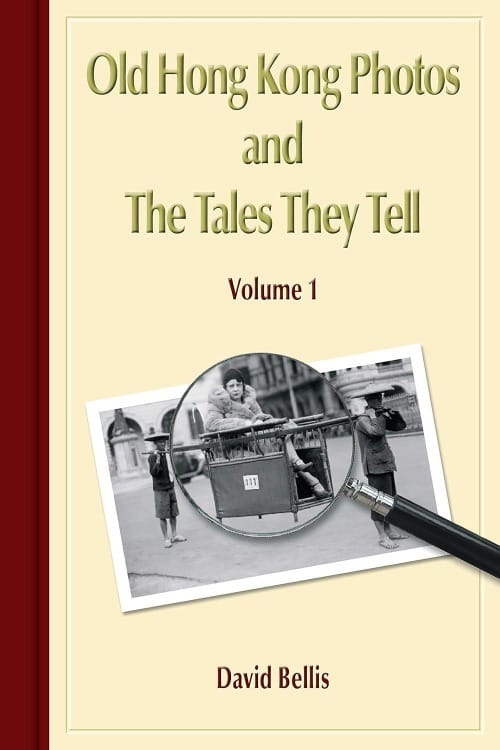
Not your typical photo book!
David Bellis, founder of the popular local history website Gwulo, shows you a selection of his favourite photos of old Hong Kong. So far, so familiar.
But then he takes you on a deep dive to discover and understand the photos’ most minute and revealing details. Plague-ridden rats, flapper hats, and chocolates are just a few of the surprising clues you’ll investigate. Finally, David helps you piece the clues together to uncover the photos’ hidden stories.
Part of a five-volume series; to see the other books, click here.