-
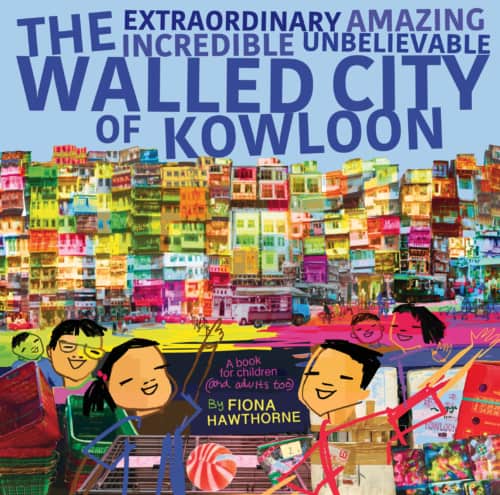 Imagine living in a high-rise mini-city that people built with their own hands. This city took up only the size of a sports stadium, but it was home to sixty thousand people! What would it be like to live in the most tightly packed place on Earth? Fiona wanted to find out, so she went there to paint, draw and meet the people of the amazing Kowloon Walled City. There was nowhere else in the world like it. The extraordinary things she discovered are inside this book… Based on Fiona Hawthorne's real-life experiences in the famous Walled City of Kowloon, this is a children's book which is also for adults. A young female artist ventures into a place that everyone tells her is dangerous, but she spends time getting to know the people, and draws and paints their everyday lives. By doing so, she discovers the truth: that the Kowloon Walled City was industrious, child-friendly and welcoming. Even though the Walled City was very much Hong Kong, this story of discovery and acceptance is universal. Vibrant, colourful, detailed artwork depicts the busy life of a unique community that no longer exists.
 -

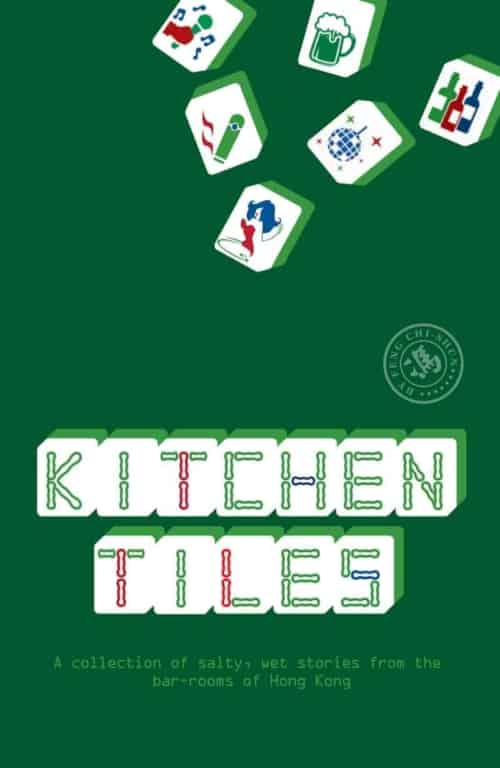
The Cantonese call anyone lecherous, and anything salacious, harm sup — literally salty and wet. And the code word for all things harm sup is "kitchen tiles." Anyone who has stepped into a Chinese kitchen knows it is like a war zone, with broth and condiments spilt all over the place; hence the tiles are deemed salty and wet.
Kitchen Tiles looks at the lascivious aspects of Hong Kong society. These 50 stories of gamblers, drinkers, masseuses and millionaires are based on the real-life experiences of Feng Chi-shun, author of Diamond Hill. Names and circumstances may have been changed, but the sentiment and spirit remain authentically Hong Kong.
Look inside this book
Click on the link to read pages from Kitchen Tiles. You will need a pdf reader to view these excerpts.
-
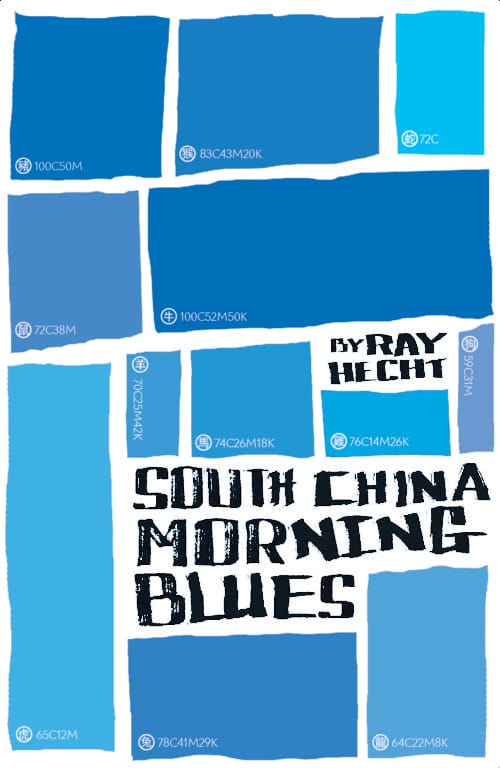
There’s no place quite like it. From Guangzhou to Hong Kong, the booming megalopolis of the Pearl River Delta has endless stories to tell. South China Morning Blues is filled with these tales of the postmodern East: depraved, rapidly changing, and never boring.
Just what kinds of people find themselves in 21st-century China? There’s Marco, a crooked businessman with a penchant for call girls; Danny, a culture-shocked young traveler; Sheila, a local club girl caught up in family politics; Amber, a drug-fueled aspiring model; Terry, an alcoholic journalist; and Ting Ting, a lovable artist with a chip on her shoulder. Their lives intertwine in unexpected ways as they delve deeper into their surroundings and in the process learn more about themselves.
China may be leading the world into the future, but its inhabitants will have to make sense of the present if that future is ever going to arrive.
Look inside this book Click on the following links to view sample pages from South China Morning Blues. You will need a pdf reader to view these excerpts.
-
 with a foreword by John Blofeld
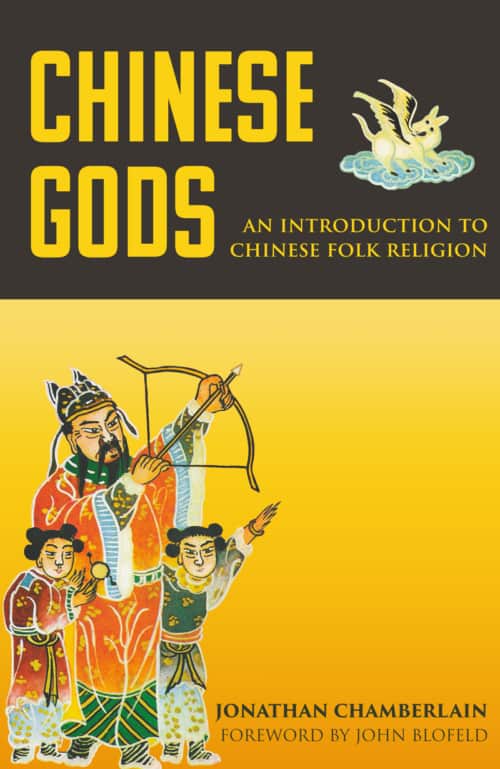
Chinese gods: Who are they? Where did they come from? What do they do?
Chinese folk religion is the underlying belief system of more than a billion Chinese people. Go into any Chinese home, office or restaurant and you will see altars, statues or paper ‘good luck’ images. And wherever there is a Chinese community there are temples and Earth God shrines. But what is the religion that makes sense of all these expressions of belief? How do these beliefs connect to Taoism, Confucianism and Buddhism?
Chinese Gods helps us understand the building blocks of this religion for which even the Chinese have no name – because the beliefs are so intertwined with language and culture they have no independent existence – and provides an in-depth analysis of 19 of the major gods of the Chinese pantheon.
Look inside this book Click on the links to view sample pages from Chinese Gods.
-

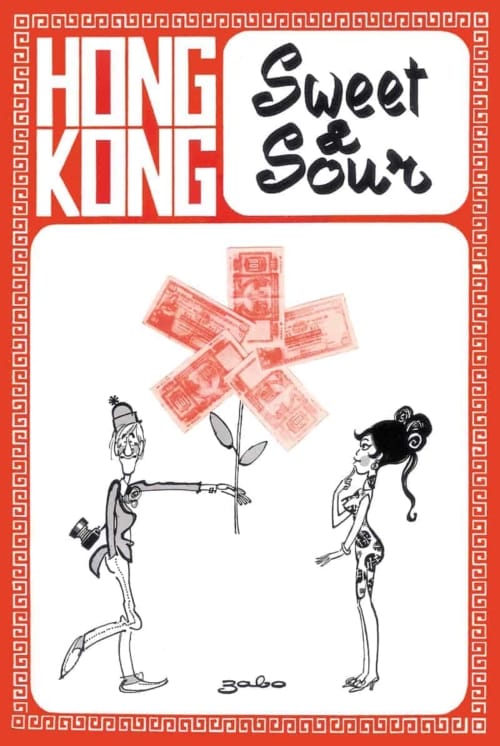
French artist Zabo arrived in Hong Kong in 1967, and condensed his year-long stay into a book of cartoons which has come to be known as an emblem of the era.
Hong Kong’s street scenes, people and fashions are humorously illustrated with sharp satire, covering popular pastimes, social etiquette, age-old traditions and the customs of local people as well as foreign residents.
Even half a century later, Zabo’s portrayal of Hong Kong still rings true, and his take on local life will resonate with everyone who lived through the Swinging Sixties – or wishes they had.
-

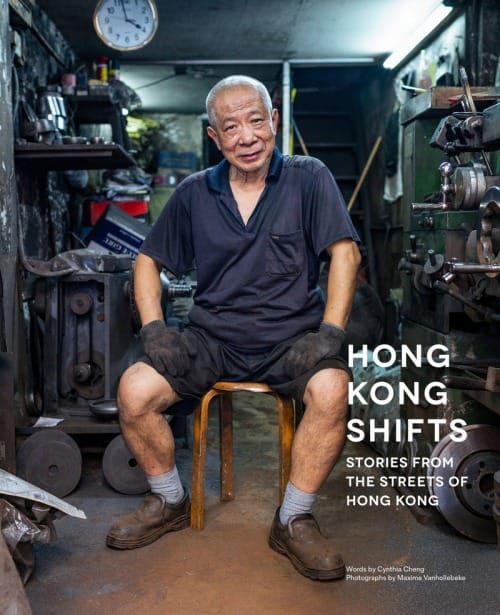
Words by Cynthia Cheng
Photographs by Maxime VanhollebekeFrom sampan ladies and bamboo scaffolders to street cleaners, fishermen, security guards and market vendors – these workers form the backbone of the fast-paced metropolis of Hong Kong, yet they are often overlooked or taken for granted. Looking beyond the glamorous harbourfront, neon-lit shopping districts and dramatic skyline, Hong Kong Shifts explores the back alleys to meet and learn from the individuals who work tirelessly to keep the city ticking. These are stories and portraits of resilience, wisdom, positivity and strength from the streets of Hong Kong.
Hong Kong Shifts is a social impact storytelling platform with a mission to promote kindness, empathy and connection in our living and working environments. At the core of our project is the belief that storytelling is a powerful tool to engage, move and inspire – and, ultimately, to build bridges between diverse communities in the city that we call home.
-

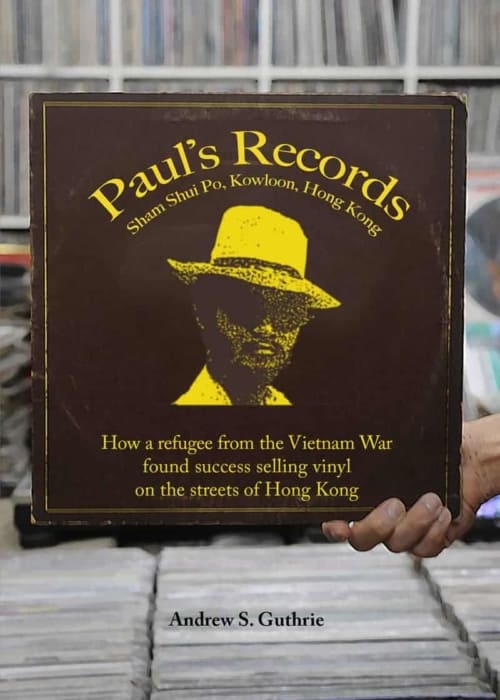
As a youth in Saigon's Chinatown of the 1960s and '70s, Paul Au was greatly affected by American "hippie" culture and Rock and Roll. He was smuggled into Hong Kong in 1974 to escape the South Vietnamese military draft.
At first living in rooftop squats, he started to trade used vinyl records on the streets of Sham Shui Po, and finally established an underground reputation for his eclectic blend and unending supply of recorded music.
This full-colour book uses sample records and sleeve art to depict the evolution of popular music in Hong Kong since the 1970s, and describes the down-to-earth part of Kowloon, with its walk-up buildings and street markets, that Paul Au has become synonymous with.
"Paul's Records solidifies Andrew Guthrie's status as the most perceptive, and astute, observer of the lingering appeal of recording and cassette culture in post-colonial Hong Kong." – Giorgio Biancorosso, Department of Music, The University of Hong Kong
"Paul's Records is a gift to Hong Kong and to anyone who wants to know more about the unique worlds that thrive in its crowded spaces." – Greg Girard, author of City of Darkness: Life In Kowloon Walled City
-

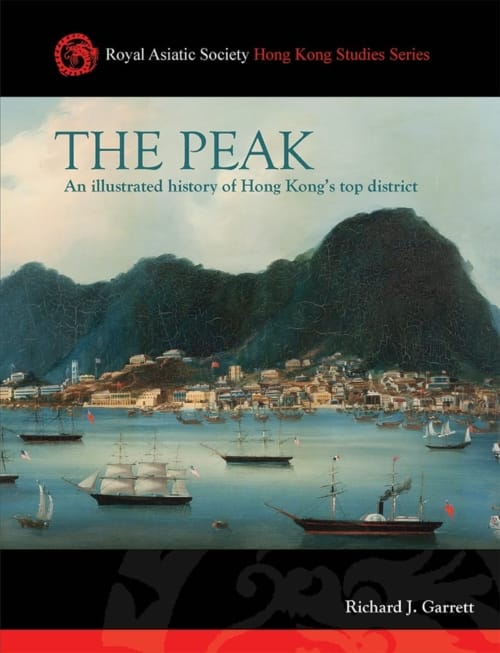
Part of the Royal Asiatic Society Hong Kong Studies Series
The Peak is Hong Kong’s top residential district, where property prices are as high as the altitude. How did it become an exclusive enclave in the bustling business centre of 19th-century Asia?
The British wanted relief from summer heat and the Peak was the obvious place to escape it. When the Governor adopted Mountain Lodge as a summer getaway, development accelerated and the opening of the Peak Tram in 1888 made access easier. Gradually a community developed and a church, a club and a school were established.
This fully illustrated book describes how the now-popular tourist area developed over time and adapted as needs changed.
-
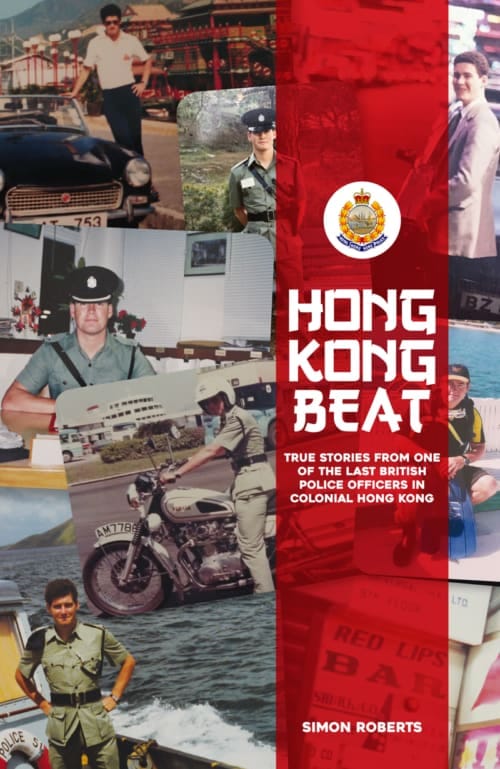
Sex, drugs, gambling, ghosts, drinking, rugby, overseas adventures – and even some police work.
Hong Kong on the edge of empire was a place teeming with triads, smugglers, Chinese immigrants and Vietnamese refugees. Simon’s memoir of his time in the Hong Kong police force – from the 1970s until after the 1997 handover – is a fast-paced tale of his exploits. From the murky back streets of Kowloon to the open seas in the Marine division, his shocking and hilarious tales offer an alternative look back at what life was really like on the Hong Kong beat.
LOOK INSIDE THIS BOOK
Click the following links to read excerpts from the book. -
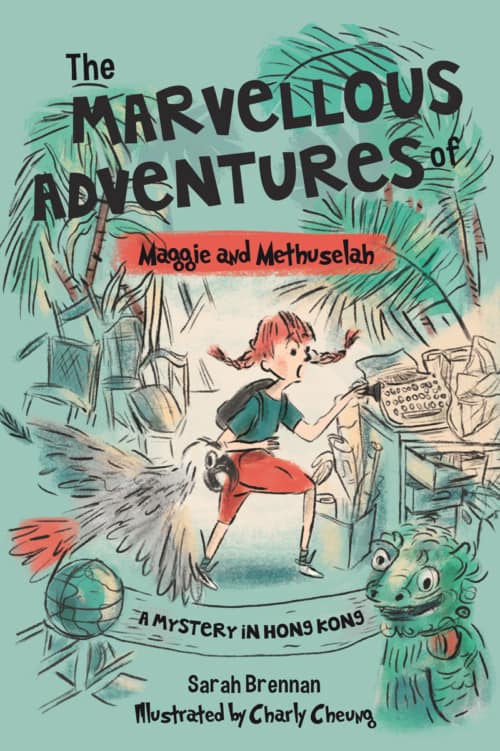
 Illustrated by Charly Cheung Maggie loves hanging out with her best friends Methuselah (her talkative African Grey parrot) and Edmund (the richest boy in Hong Kong), but she loathes attending boring parties with her high-flying mum and dad! Little does she know that a Family Fun Day at Government House will trigger a thrilling adventure involving one of Hong Kong's greatest mysteries: what happened to the immensely valuable Chater Collection, which was hidden on the eve of the Japanese invasion in World War Two? A funny, exciting story for pre-teens set in one of the world's most exotic cities, where cultures meet and risks are for the taking! For readers aged 8 to 12 who love mystery, history and adventure! With 80+ illustrations. "Sarah Brennan’s work is a meeting between traditional Asian narratives and the universal taste of children for graphic stories. The tale-telling gifts shown in these books, along with the exuberance of the language and rhymes, make them unique in children’s literature." – Thomas Keneally, Booker Prize-winning author of Schindler’s Ark
 -

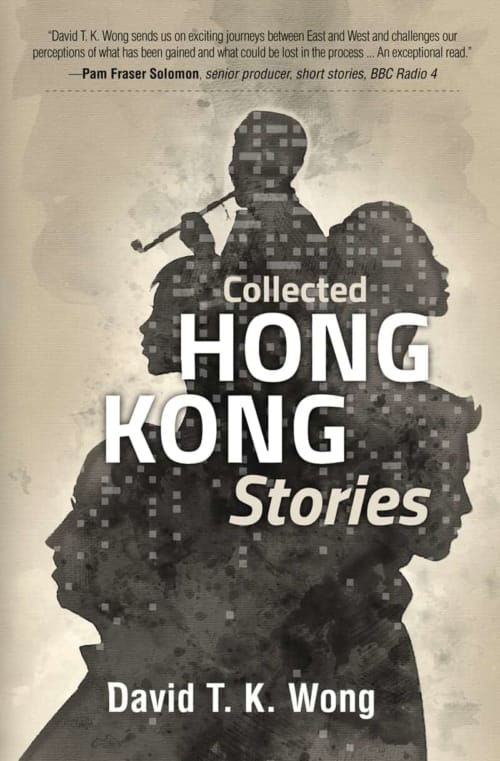
For an arresting mosaic of the great and complex metropolis known as Hong Kong – and an insight into what the people of the city live by and die for – a reader need look no further than the Collected Hong Kong Stories of David T. K. Wong.
Wong, a native son of this once British Crown Colony and now Special Administrative Region of China, has drawn upon his own experiences as a journalist, educator, government official and businessman to assemble a range of memorable characters for his tales. They range from barmen to labourers, from jockeys to expatriate bureaucrats, from scholars to tycoons, and each is infused with insights into the collective soul of the edgy, anomalous and perplexing place he finds himself.
These 18 stories are carefully crafted in the grand tradition of O. Henry, Maugham and Saki. Each has been individually published in a magazine or broadcast over radio in Britain, the United States, Hong Kong or elsewhere. They can be dipped into and savoured separately or feasted upon all in one go. Either way, the result can only be satisfying.
“David T. K. Wong is an exceptionally fluent writer whose compelling stories cover a wide range of themes. His talent sparkles, inveigles and mesmerizes.” – Sylvia Tankel, Editor of Short Stories International
Look inside this book
Click on the following links to read pages from Collected Hong Kong Stories. You will need a pdf reader to view these excerpts. One Two -

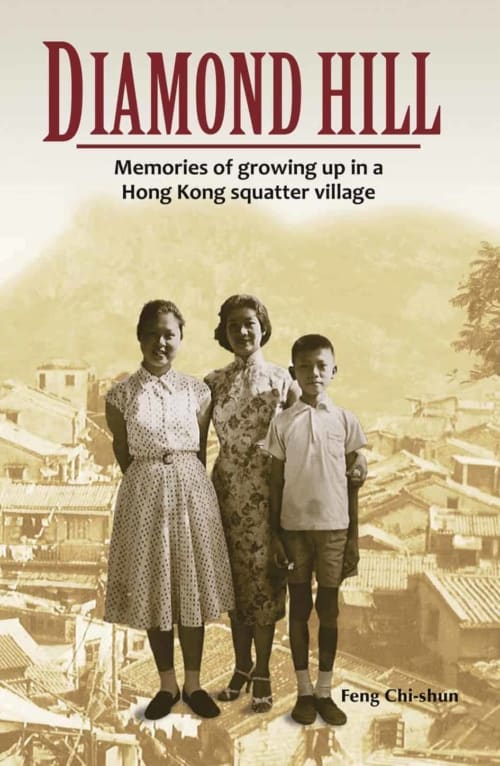
"Diamond Hill was one of the poorest and most backward of villages in Hong Kong at a time when Hong Kong itself was poor and backward. We moved there in 1956 when I was almost 10. I left when I was 19. Those were the formative years of my life. It’s a time that I remember well and cherish.”
This memoir of a native son of a Kowloon-side squatter village – the first book ever on Diamond Hill, in either Chinese or English – presents the early days of a life shaped by a now-extinct community. Penned by a high-achieving Hong Kong professional, Feng Chi-shun’s sharp recollections of his humble upbringing contain warmth, humour, and an abundance of insights into a low-income Hong Kong neighbourhood that no longer exists – but remains close to the hearts of many who lived there.
Diamond Hill will invite comparisons with Martin Booth's Gweilo. If you enjoyed the latter, you will likely find the former similarly absorbing, because the young Feng was, for many a “gweilo”, the inaccessible yet intriguing face of an altogether edgier Hong Kong.
Look inside this book
Click on the following link to view sample pages from Diamond Hill. You will need a pdf reader to view this excerpt. -

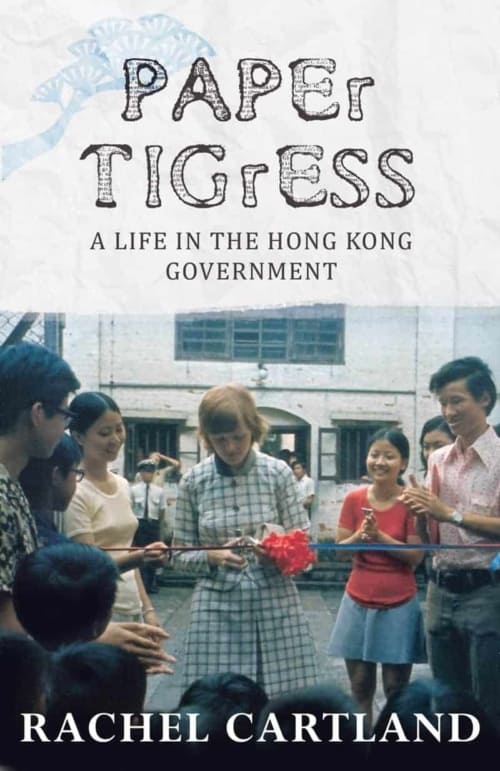
Rachel Cartland came to Hong Kong in 1972 as one of just two female expatriates in the Hong Kong Government’s elite administrative grade.
Before she retired in 2006, her life was shaped by the momentous events that rocked Hong Kong during those action-packed years: corruption and the police mutiny, the growth of the new towns, the currency crisis of 1983, Tiananmen Square, the change of sovereignty and the devastation of SARS. The backdrop to her story ranges from Kowloon’s infamous Walled City to Government House to the rural New Territories.
Paper Tigress is full of humour and incident and, at the same time, an accessible account of modern Hong Kong and the forces that shaped it.
"Rachel’s remarkable recollection of an exciting era in Hong Kong not only brings back 40 years of shared memories, but is a fair and often amusing story of how colleagues in the Administrative Service worked together to build up this modern city – and, in the process, injected core values that hopefully will stand Hong Kong in good stead for years to come.” – Shelley Lee Lai-kuen, GBS, OBE, JP, former Permanent Secretary for Home Affairs
Look inside this book
Click on the link below to read pages from Paper Tigress. You will need a pdf reader to view these excerpts. -
Out of stock

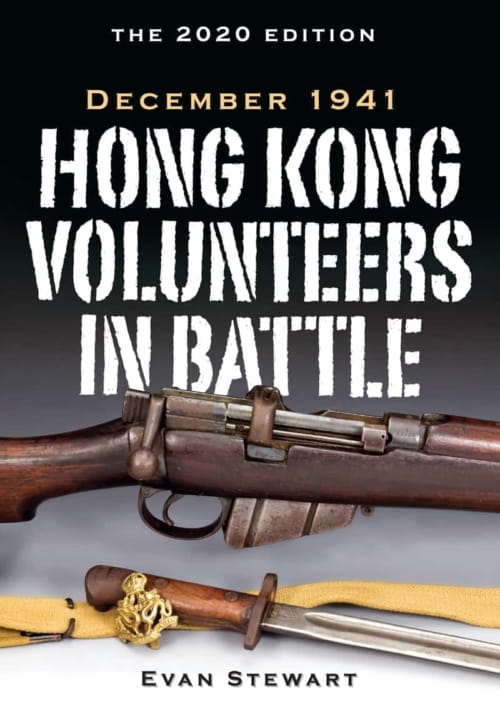
On the same day as the assault on Pearl Harbor, the Japanese army attacked the British Crown Colony of Hong Kong. Among the colony’s garrison were regiments from Britain, Canada and India as well as men from the Hong Kong Volunteer Defence Corps, better known as ‘The Volunteers’.
When the battle began on 8 December 1941, the HKVDC deployed a total fighting strength of 1,900 officers and men. These were mustered into seven infantry companies, five artillery batteries and a single armoured car platoon with a full range of support units.
Over the next 17 days, until the surrender on Christmas Day 1941, the men of ‘The Volunteers’ saw action all over Hong Kong. This is the story of their battle.
-

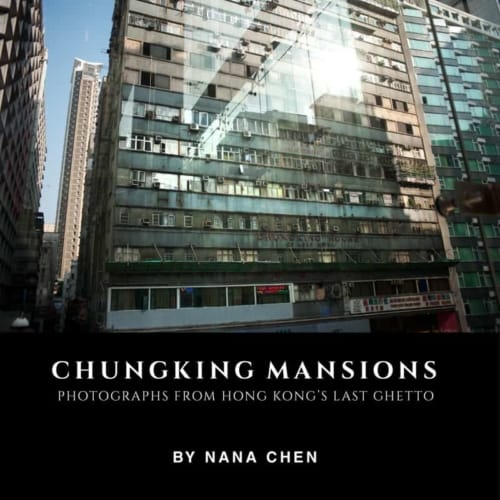
Squatting amid the luxury hotels and malls of modern Kowloon, Chungking Mansions resembles the dirty vent of a giant subterranean machine. This Hong Kong landmark is a hotbed of criminality and home to pimps, hookers, thieves and drug pushers. The five 17-storey towers also offer the city’s last low-rent refuge for asylum seekers and immigrants coming to start a new life.Nepalese guesthouse owners rent out rooms to Bangladeshi workers, and Pakistanis sell mobile phones to Nigerian traders who hire Indian cargo companies to ship them home. Food stalls fill the air with the savoury aromas of international cuisine, and more than 200 guesthouses, as well as two floors of shops selling black-market, counterfeit and bargain goods, establish this unique place as a global hub of trade and multiculturalism.
In 2009, shortly after a Canadian tourist disappeared from Chungking Mansions without a trace, photographer Nana Chen began wandering the corridors. Using her camera as a guide, she discovered the Chungking Mansions not visible to the naked eye: the beating pulse that gives this notorious destination its hypnotic appeal. With compassion and courage, Chen sought to craft a portrait of Hong Kong’s last ghetto and its inhabitants before its vibrant character is erased forever by the inevitable march of progress.
“I grew up in the vicinity of Chungking Mansions. Nana Chen's intimate, visceral pictures of the Mansions are so unsentimentally authentic and beautiful that I am speechless and deeply moved.” – Chan Koonchung, author of The Fat Years
-
with photographs by Michael Perini
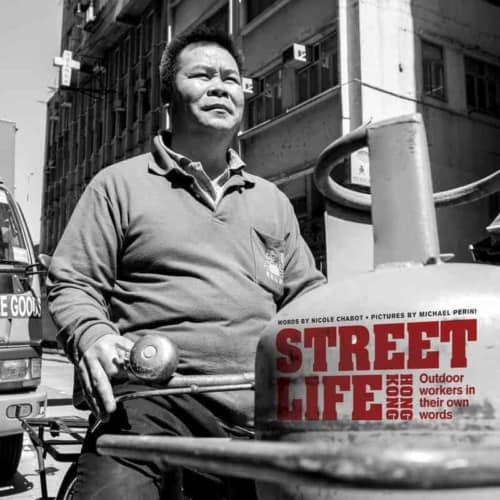
Hong Kong is famous for its bustling streets. In this book we hear from two dozen real people who provide its outdoor colour. We meet a flower seller, a street musician and a tram driver; a bouncer, a shoeshiner and a gas canister delivery man; a site foreman and a lifeguard; one man who climbs bamboo scaffolding for a living, and a woman who ferries visitors around the harbour on a sampan.
These are the working people who are always seen but rarely heard, and in this book they tell their life stories in their own words. Sharp black-and-white portraits immerse the reader in the dynamic streetscape of Hong Kong.
Look inside this book
Click on the links below to read pages from Street Life Hong Kong. You will need a pdf reader to view these excerpts.Contents Tony Tam Kwok-Chiu, Assistant foreman Chu Yin-Ping, Sampan tour guide
-
The stories of expatriates in Hong Kong – the most dynamic, dramatic and diverse city in the Asia-Pacific region – come to life in this book.
Why did they come? Why do they stay? How did Hong Kong change them and their view of the world? What did they gain and what did they lose?
Human beings are on the move, driven by economic globalisation, political persecution, love or simple curiosity; and this global flow defines the age in which we live. From these expat stories, larger themes loom: identities transformed; racism, naked and clothed; blended relationships; and the tensions and tolerance engendered through peoples, languages and cultures in contact.
Look inside this book Click on the following link to read pages from Other Voices, Other Eyes. You will need a pdf reader to view this excerpt. To begin at the beginning -

With pen-and-ink illustrations by Gary Yeung
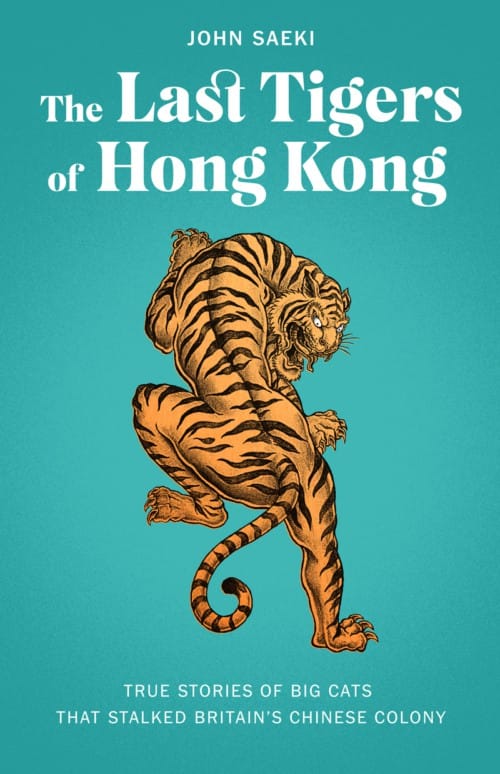
Tigers came to Hong Kong. They preyed on pigs, chickens, cattle and deer. They sometimes killed people. They came to Hong Kong most years through to the end of the 1950s, and possibly into the 1960s. As long as there were South China tigers in the wild, Hong Kong saw some of them.
They stopped coming when they were on their way to extinction in their homeland across the border. Not many people know this, and not many people believe it to be true. But it is true, tigers came. And this is the first written history of the Hong Kong tiger.
LOOK INSIDE THIS BOOK
Introduction Chapter 1
-

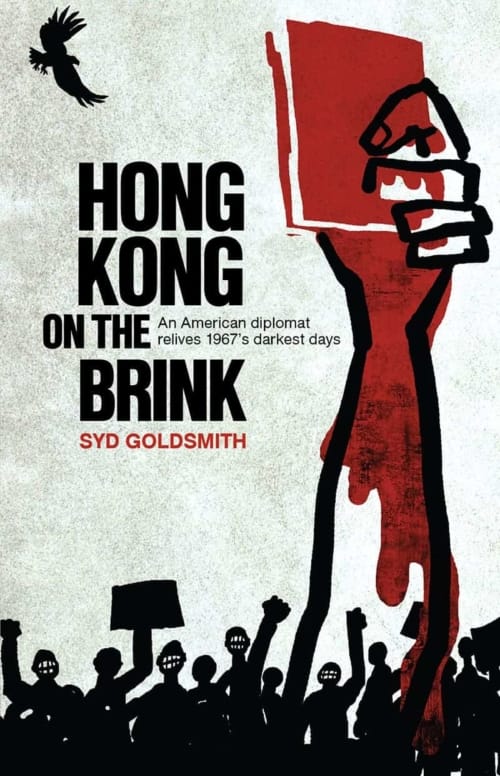
Syd Goldsmith’s first taste of China’s Cultural Revolution is blood on his tongue. It’s 1967. Hong Kong is simmering, plagued by communist-led riots and strikes, crippled transport, punishing water-rationing, takeover threats from Beijing and roadside bombs. And Syd — the only Caucasian Foreign Service Officer at the American Consulate General who speaks Cantonese — is made responsible for reporting and analysis of the Hong Kong government’s ability to survive.
The CIA station chief and the head of Macau’s gold syndicate play major roles in Syd’s story, along with Newsweek’s Sydney Liu and Maynard Parker, and a steady stream of inquiring foreign correspondents and China-watchers. Richard Nixon makes a cameo appearance — to talk football with Syd since the consul general won’t see him — in this riveting memoir of a year when Hong Kong’s “borrowed time” seemed about to expire.
Look inside this book
Click on the following link to read pages from Hong Kong on the Brink. You will need a pdf reader to view this excerpt. -

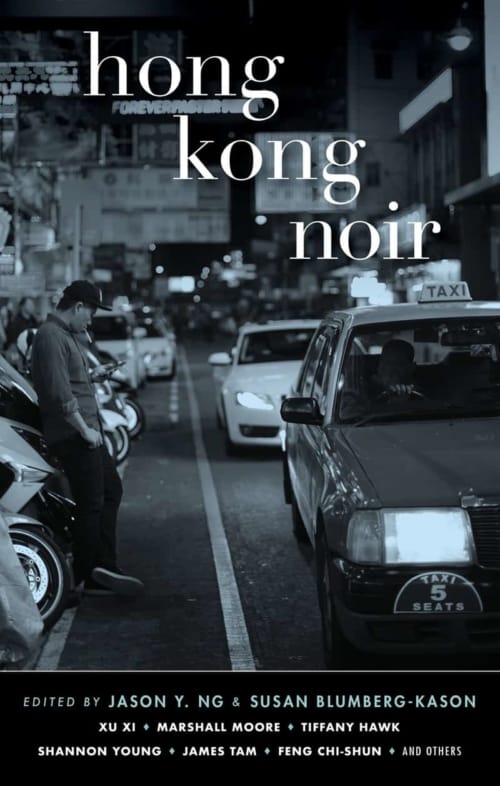
Edited by Jason Y. Ng and Susan Blumberg-Kason
Published in association with Akashic Books
Akashic continues its groundbreaking series of original noir anthologies, launched in 2004 with Brooklyn Noir. Each story is set in a distinct neighbourhood or location within the city of the book.
Hong Kong Noir features brand-new stories by Jason Y. Ng, Xu Xi, Marshall Moore, Brittani Sonnenberg, Tiffany Hawk, James Tam, Rhiannon Jenkins Tsang, Christina Liang, Feng Chi-shun, Charles Philipp Martin, Shannon Young, Shen Jian, Carmen Suen and Ysabelle Cheung.
What will Hong Kong look like in five years, ten years, or thirty years when the “one country, two systems” promise expires? It’s impossible to foresee. Hong Kong’s future may be beyond our control, but some things aren’t. We can continue to write about our beloved city and work our hardest to preserve it in words.
When we asked our contributors to write their noir stories, we didn’t give them specific content guidelines other than to make sure their stories end on a dark note. What we received was a brilliant collection of ghost stories, murder mysteries, domestic dramas, cops-and-robbers tales, and historical thrillers that capture Hong Kong in all its dark glory. The result is every bit as eclectic, quirky, and delightful as the city they write about.
Look inside this book
Click on the following links to read pages from Hong Kong Noir. You will need a pdf reader to view these excerpts. -

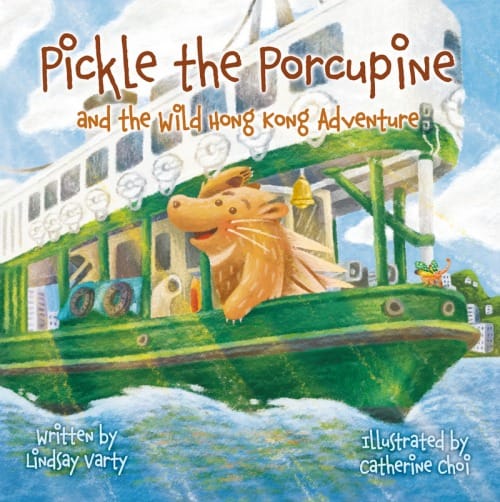
Illustrated by Catherine Choi
Pickle the Porcupine lives high in the hills of Hong Kong, where he loves to nibble on tree trunks. But one day he finds himself lost in the busy streets of the city. How can he find his way home to the forest?
This poetic and fun tale of a loveable local creature will introduce you to all sorts of Hong Kong transport: ferries, buses, trams and more. See how many kinds of transport you have travelled on!
-

with illustrations by Lee Po Ng
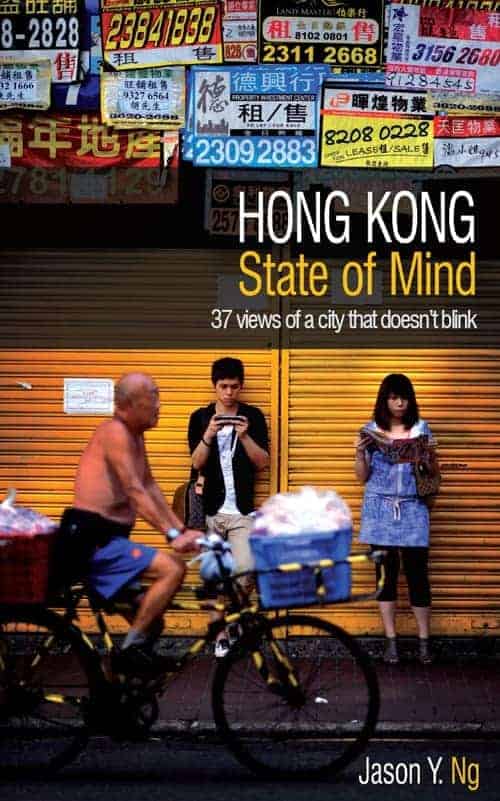
Hong Kong is a mixed bag of a city. It is where Mercedes outnumber taxi cabs, partygoers count down to Christmas every December 24, and larger-than-life billboards of fortune tellers and cram school tutors compete with breathtaking skylines.
HONG KONG State of Mind is a collection of essays by a popular blogger who zeroes in on the city’s idiosyncrasies with deadpan precision. At once an outsider looking in and an insider looking out, Ng has created something for everyone: a travel journal for the passing visitor, a user’s manual for the wide-eyed expat, and an open diary for the native Hong Konger looking for moments of reflection.
Look inside this book
Click on this link to view sample pages from HONG KONG State of Mind. You will need a pdf reader to view this excerpt. -

(Go to English edition)
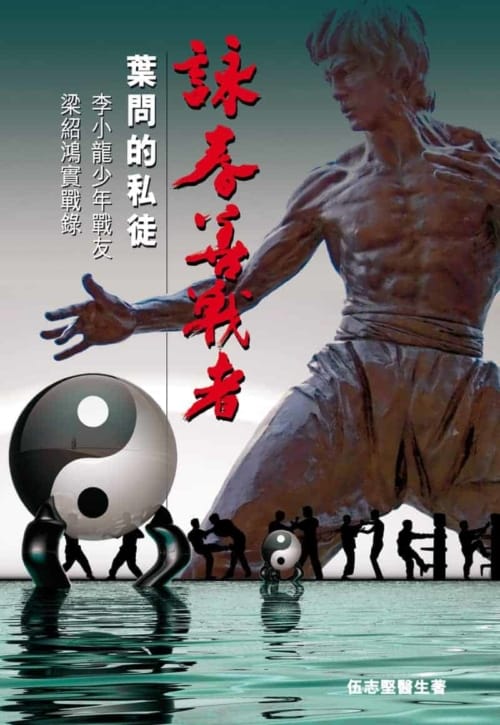
梁紹鴻,Duncan Leung,詠春善戰者。由兒時好友、已故電影巨星李小龍介紹去學詠春功夫。1955年,年僅十三歲的他以「三跪九叩」之禮,拜詠春第六長門代葉問為師,成為葉問的「第一私家門徒」。
1955至1959這四年間,葉問親自上門,悉心教導梁紹鴻,傾囊相授,跟他練習,還傳授「實踐」詠春的秘訣。梁紹鴻天天練武、練功六小時;要學以致用,他就上街打架、上武館「講手」,實踐所學。他對中國武術各門各派的打鬥經驗可謂獨一無二。
1964年,一次行俠仗義令梁紹鴻有緣遇上一位老人。那老人教他「空手入白刃」、「貼身搏擊」、「無聲殺敵」等技巧。
1974至1976年,梁紹鴻在美國紐約設館授徒。中、外習武者上館挑戰可謂無日無之,他未嘗敗北,因此應付外國武藝的經驗也相當豐富,可謂世上絕無僅有。
1976至2002年間,梁紹鴻在美國弗吉利亞灘 (Virginia Beach)定居,受聘於美國海軍海豹隊(U.S. Navy Seals)、美國聯邦調查局( FBI )及美國特警部隊 (SWAT)。
2002年8月,梁紹鴻接受可能是他有生以來最大的挑戰:要在兩年內,培養六名中國少年成為世界級職業「散打」拳手。於是,他到了中國去完成這能人所不能的使命。
-
Out of stock

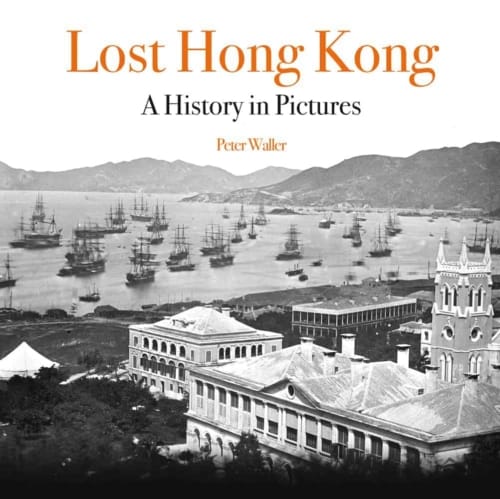
The story of Hong Kong is one of almost constant change. From a sleepy fishing community, Hong Kong – now a Special Administrative Region following its return from Britain to China in July 1997 – has grown into one of the most significant financial and trading centres of the world.
Hong Kong Island itself has witnessed massive rebuilding over the years, with the result that much of the colonial-era architecture has been swept away and replaced by skyscrapers. Moreover the first high-rise buildings constructed from the late 1950s onwards are now themselves under threat as the constant requirement for more accommodation – both for people and for businesses – continues.
The Kowloon peninsula and the New Territories have also experienced development, whilst the construction of the new airport saw the destruction of an entire island to create the foundations of the new facility. The pressure for land has seen reclamation schemes extend the coastline of Hong Kong Island far to the north.
Over the years photographers have recorded the changing face of Hong Kong: its street scenes, buildings and people. This new book – drawing upon images from a wide range of sources, many of which are previously unpublished – is a pictorial tribute to this lost Hong Kong. Once familiar but now long-gone scenes are recorded, offering a tantalising glimpse back at an era which in chronological terms may be relatively recent, but given the rapidity of change, seems like a distant age.
-

Part of the Royal Asiatic Society Hong Kong Studies Series
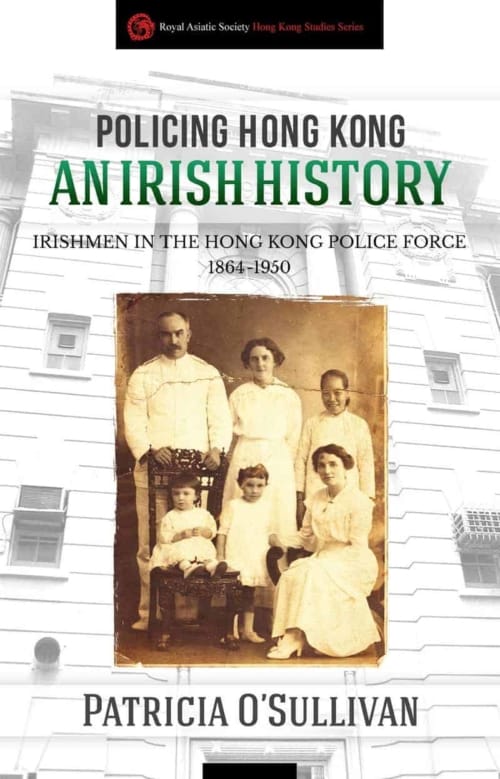
Hong Kong, 1918. A tranquil place compared to war-torn Europe. But on the morning of the 22nd January, a running battle through the streets of Wanchai ended in “The Siege of Gresson Street”. Five policemen lay dead, so shocking Hong Kong that over half the population turned out to watch their funeral procession.
One of the dead, Inspector Mortimor O’Sullivan, came from Newmarket: a small town nestled deep in rural Ireland. He, along with a dozen and more relatives, had sailed out to Hong Kong to join the Police Force.
Using family records and memories alongside extensive research in Hong Kong, Ireland and London, Patricia O’Sullivan tells the story of these policemen and the criminals they dealt with. This book also gives a rare glimpse into the day-to-day life of working-class Europeans at the time, as it follows the Newmarket men, their wives and families, from their first arrival in 1864 through to 1941 and beyond.
“This groundbreaking book is a story of life, death, and crime in colonial Hong Kong. It is also an account of an important part of Hong Kong’s population that has eluded most historians: the European working class. With an arsenal of previously untapped materials in Ireland, Britain and Hong Kong, Patricia O’Sullivan tells the remarkable tales of the families who built their own ‘little Ireland’ in Hong Kong.” – John M. Carroll, Dept. of History, University of Hong Kong
Look inside this book
Click on the following link to read pages from Policing Hong Kong – An Irish History. You will need a pdf reader to view this excerpt.