-
“Failed in London, Try Hong Kong” Peter Olsen’s life story is one of resilience, reinvention and transformation. Born in London in 1942, in the middle of World War II, Peter’s formative years in post-war Britain could almost be described as Dickensian. With a bigamist father on the run and the untimely death of his mother, Peter faced a tumultuous childhood in a two-room cold-water flat. Despite abject poverty, violence, family dysfunction and occasional homelessness, he found solace and purpose in music, literature and sports, excelling in soccer and cricket. For Peter, who was painfully shy and lacking in self-confidence, the “Swinging Sixties” involved several failures to launch, including a disastrous stint in the police force. But he found his footing working for Lesney Products & Co., the maker of Matchbox toys. In 1972, Peter’s career with the iconic British toy company took him to Hong Kong with his wife and young family. Then, just as he was adjusting to this strange new life and unfamiliar culture, Matchbox declared bankruptcy, leaving him stranded without income or housing. Undeterred, he turned this crisis into an opportunity, founding his own company, Drumwell. Initially producing goods for Vidal Sassoon, Drumwell grew into a trusted manufacturing agent for major global toy brands, eventually becoming a US$95 million enterprise with more than 200 employees. While professionally successful, Peter’s personal life began to unravel. The time and global travel demands of building his business and achieving growth had taken a relentless, insidious toll on his family relationships. At the age of 52, he succumbed to the pressures of his high-stakes life, turning to cocaine – a decision that marked the beginning of a six-year descent into addiction. The cost was devastating: the collapse of his marriage and irreparable damage to his business, resulting in a profound sense of personal loss along with reputational and financial ruin. In 2001, after hitting rock bottom, Peter sought help at a rehab facility in the UK, embracing a 12-step programme that transformed his life. Defying the odds, Peter has never relapsed, maintaining 24 years of continuous sobriety. His commitment to recovery inspired him to found Cocaine Anonymous in Hong Kong, offering hope and support to others battling addiction. Today in recovery, he is an active supporter of several charities close to his heart, and is one of the most sought-after speakers on recovery, captivating audiences worldwide with his raw, honest storytelling and practical wisdom. Drawing from his own journey, he inspires others to embrace gratitude, forgiveness and resilience as tools for overcoming adversity and creating meaningful change. Peter has also dedicated his life to philanthropy, vowing to “die broke” by giving to causes he believes in. He supports organisations such as The Teen Project, which aids at-risk youth; the Arsenal Foundation, which empowers under-served communities through outreach activities; the Wallsend Boys Club in Newcastle; and Full Circle in the USA. Peter’s journey – from poverty in post-war London to the heights of business success, followed by a fall into addiction and a powerful redemption – stands as a testament to the strength of the human spirit. Through his steadfast sobriety, his advocacy and his generosity, Peter embodies the belief that no matter how far one falls, it is always possible to rise – and to leave the world a better place for having lived in it. -
After 50 momentous years, little is remembered of the chaos the Hong Kong Philharmonic faced in its early days as a professional outfit. John Duffus arrived in Hong Kong in 1979 as its fifth general manager in as many years. In this entertaining memoir he highlights those problems and illustrates how, with typical Scottish grit and determination, he helped get the orchestra on the road as an international ensemble.
John’s subsequent concerts as a Hong Kong impresario with superstars Luciano Pavarotti, José Carreras, Plácido Domingo, Leslie Cheung, Kiri Te Kanawa, Yo-Yo Ma and many others, including pop icons Dionne Warwick and Olivia Newton-John, make for fascinating and occasionally shocking stories, as do the almost unbelievable backstage dramas he reveals – some complete in all their back-stabbing detail – while managing Andrew Lloyd Webber’s Asian companies and bringing CATS and Phantom of the Opera to Hong Kong.
-
Ian Gill’s first visit to Hong Kong in 1975 takes an unexpected turn when he meets his Chinese mother Billie’s friends, colleagues and fellow ex-prisoners of war, lifting the veil on a tumultuous past in Hong Kong and Shanghai.
He moves to Asia and unravels her intriguing journey: from controversial adoption by an English postmaster in Changsha to popular radio broadcaster in wartime Shanghai, from tragedy and a doomed romance in a Japanese internment camp to being decorated by Queen Elizabeth II for services to the United Nations. He discovers a great-grandmother in a determined English farm girl who ends up owning a well-known hotel on the China coast in the 1870s – and he finally meets his father for the first time on a Canadian island in 1985.
The backdrop for this fascinating family story is China’s turbulent century from the Anglo-Chinese wars of the 1840s to the advent of communism.
Look inside this book:
Contents and Chapter 1 -
It took balls to go to Hong Kong.
When Scottish footballer Derek Currie was made an offer to travel to Hong Kong to play against the one sportsman he had dreamed of meeting on the field, he couldn’t say no.
From apprentice printer in Glasgow to playing football against Pelé in the Far East, singing with Stevie Wonder and shadow-boxing with Marvelous Marvin Hagler, Currie enjoyed a magical life as one of the first three European professional footballers in Asia. He was quickly nicknamed ‘Jesus’ by Hong Kong football fans.
Here he traces the early development of professional football in the then-British colony through his own career: the games, the places and the characters he met along the way.
Given a once-in-a-lifetime opportunity, he didn’t think twice – travelling 6,000 miles across the world to pursue his dream of professional football. In the years that followed, he met international stars from music, showbusiness, boxing and horse racing.
Here in words and pictures is his amazing story – if not for the photographic proof you could be forgiven for thinking it might be a fairy tale! It isn’t.
"An illustrious playing career. An excellent read." – Craig Brown CBE, former manager, Scotland national football team
LOOK INSIDE THIS BOOK
Contents and foreword Chapters 1 and 2 -
Illustrated by Lucy Parris
Returning to Hong Kong in 1947 after the Japanese occupation, seven-year-old Mark Isaac-Williams had the whole of Kowloon as his playground. Billeted with his family in the once-grand but now dilapidated Peninsula hotel, his life was full of adventure – from the rooftop to the basement, he knew the hotel's every inch.
Roller-skating and horseback riding in Kowloon's streets and paddling in the hotel's fountain were a child's dream after the privations of war. From rickshaws to firecrackers and ladies with bound feet to the ever-present rat problem and smelly beancurd vendors, the mystique of Hong Kong in the 1940s and 50s is brought colourfully to life by Mark's captivating and richly illustrated story.
“The Hong Kong I Knew captures all the glory and quirkiness of a burgeoning east-meets-west colony at mid-century. Fizzing firecrackers, rickshaws in the rain, balusters of bamboo scaffolding – the charming illustrations and commentary are sure to inspire fond nostalgia for a bygone time.” — Claire Chao, author of Remembering Shanghai
-
In 1981, David Wong retired after 20 years as an administrative officer in the Hong Kong Government to chance his arm in the city’s cut-throat free market, as the managing director of a large multinational trading corporation. He soon discovered more legal and ethical boobytraps in business than he had bargained for. Nonetheless, he sidestepped them and in 1982, during the Sino-British negotiations to end British rule, he quickly sensed a unwarranted panic over the value of the Hong Kong dollar. He acted accordingly and made himself millions in weeks.
Wong then visited different parts of China with friends. In the process he fell in love with a young and beautiful member of the Communist Youth League. When he tried to marry her, however, the mainland bureaucracy threw a host of obstacles in his path. After all, he was perceived as a capitalist from Hong Kong. But Wong’s friends used their collective guanxi with members of the Politburo to gain him permission to marry the girl. The title of this volume is aptly Love, Money and Friendships.
Interlaced with Wong’s narrative are fascinating insights into aspects of China’s long and colourful history and culture.
LOOK INSIDE THIS BOOK Click the following links to read excerpts from the book.
-
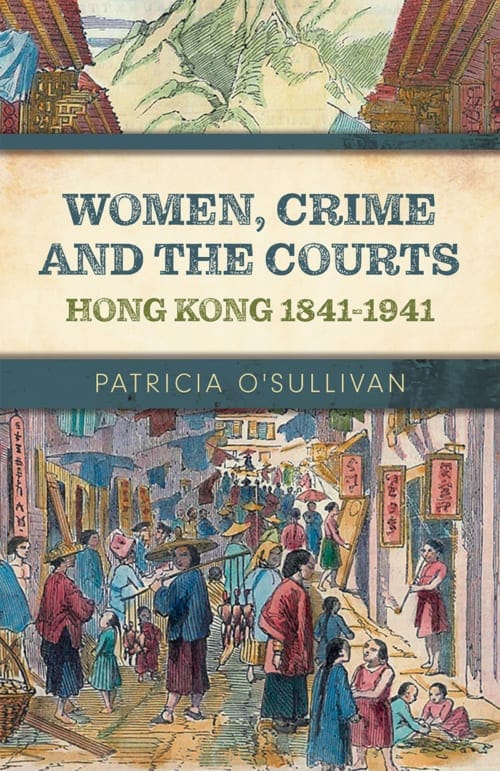
Kwan Lai-chun was sick of being made to feel second-class by her husband’s concubine; sick of her mother-in-law’s endless carping about the money she spent; sick of the whole family. Late one sticky, humid night, something snapped in her – and she grabbed the meat chopper. Within minutes, three people were dead: the concubine with over 70 gashes, many of them to the bone.
Kwan was found guilty and became the second and last woman in Hong Kong to suffer the death penalty. But behind her story, and those of the city’s other female murderers, lie complex webs of relationships and jealousies, poverty and despair.
Taking the first 100 years of Hong Kong’s colonial history, this book unravels the lives of women – Chinese and Westerners alike – who found themselves on the wrong side of the law. Hong Kong’s female prison population was a tiny fraction of that in Britain or America, but there are still plenty of tales from its women kidnappers, smugglers, bomb-makers, thieves and cruel mistresses.
LOOK INSIDE THIS BOOK
Click the following link to read excerpts from the book. -
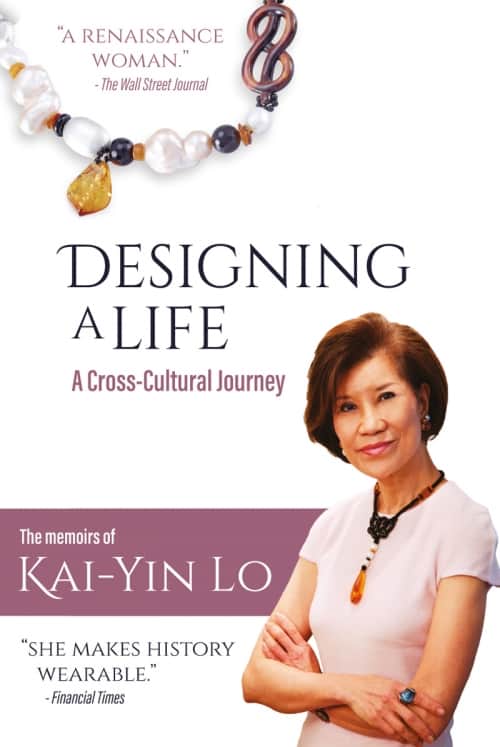
Designing a Life tells the inspiring story of Kai-Yin Lo, a determined woman born to a wealthy Hong Kong family who had to build her own future following an abrupt change in the family's fortunes. After a first job at the Mandarin Oriental Hotel in Hong Kong, she made her way to Time Inc. in New York to establish a new life.
Encouraged by her first collection being accepted by Cartier New York, she employed talent, innovation and determination to become a designer of international renown, respected as an ambassador for cross-cultural exchange in art, design and thought.
“Kai-Yin is a polymath and a phenomenon, having seamlessly juggled an analytical career as a scholar, historian, teacher and editor, with the artistic and imaginative flair of an amazing jewellery, accessory designer and ceramic artist.” – Thomas Heatherwick, Founder, Heatherwick Studio, London
“In her role as Visiting Professor of the University of the Arts London, Kai-Yin Lo has done very valuable work as an effective contributor and ambassador, promoting understanding and application of cross-culture.” – Professor Jeremy Till, Head, Central Saint Martins, Pro Vice-Chancellor, University of the Arts London
“Never ceasing to learn and create, Kai-Yin has proven herself to be an outstanding artistic and intellectual entrepreneur who blends harmoniously the aesthetic and the practical. The Asia Society on both sides of the Pacific has benefited from her generosity of spirit and cultural expressions.” – Ronnie C. Chan, Chairman, Asia Society Hong Kong Center
“Kai-Yin Lo is a creative tour de force whose jewelry designs re-interpreting Chinese traditional design principles were at the forefront of a reappraisal of traditional Chinese culture. She also seeks to share her interests with others through the philanthropic support of dialogues and talks that foster an understanding of new issues in Asian culture. These have included some of the most important cultural leaders of our time, such as Xu Bing, Tan Dun, and Shen Wei.” – Melissa Chiu, Director, Hirshhorn Museum, Smithsonian Institution, Washington, D.C.
-
A former senior Chinese Administrative Officer has at long last lifted another little corner of the veil of half-truths and anodyne official releases which hitherto shrouded many of the decisions and evasions under the long Hong Kong governorship of Sir Murray MacLehose.
David T. K. Wong — who started working life as a dishwasher in a Chinese restaurant at the age of 13 before becoming a journalist, teacher, colonial bureaucrat, international businessman, and then a writer of short stories and novels — is clearly a man of many parts. He has now turned his narrative skills to producing a pungent, sardonic, cerebral and revelatory insider memoir of his experiences in the upper reaches of the colonial administration during the 1970s.
In doing so, he draws attention to the political, cultural and economic cross-currents that have always swirled through the uniquely paradoxical city. As a Chinese, he constantly found himself struggling with a three-horned dilemma: how to serve the people of Hong Kong, who paid his salary; the wider Chinese nation, from which he was culturally and emotionally inseparable; and the demands of the British crown, to which he had publicly sworn his allegiance.
Hong Kong Confidential is a valuable contribution to the historical mosaic of a dynamic Chinese community living through turbulent times.Look inside this book
Click on the following link to read pages from Hong Kong Confidential. You will need a pdf reader to view these excerpts. -
Who did kill British diplomat Augustus Raymond Margary on the remote China-Burma frontier in 1875?
It could have been agents of the Burmese king, eager to stop the British from undermining his own country’s trade with China; or local Chinese, scared that Margary was spearheading a British invasion from Burma. Some suspected a plot going right back to the xenophobic Chinese governor, Cen Yuying. Or perhaps Margary had simply run foul of bandits – and how was a tribute envoy of Burmese elephants involved?
Against a background of colonial arrogance and cultural incomprehension, A Murder in Yunnan unpicks the complex tangle of official reports, rumour, suspicions and unreliable newspaper rants clouding the facts behind Margary’s killing – an event which brought Britain and China to the brink of war.
-
A weed from Catholic Europe, it took root Between some yellow mountains and a sea, Its gay stone houses an exotic fruit, A Portugal-cum-China oddity.
Rococo images of Saint and Saviour Promise her gamblers fortunes when they die; Churches beside the brothels testify That faith can pardon natural behaviour.
This city of indulgence need not fear…
— WH Auden, Macao: A Sonnet
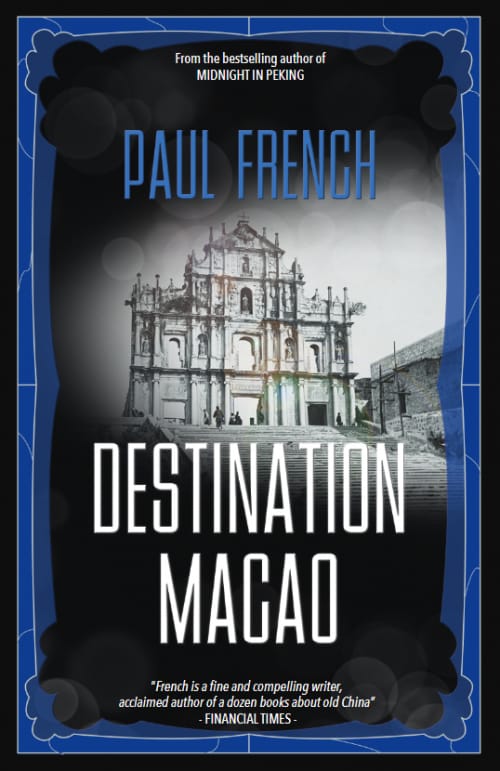
For the third in his acclaimed Destination series, Paul French journeys to the former Portuguese enclave of Macao, for him as much a place of the imagination as of reality. Constantly portrayed as the louche, sinful sister of Hong Kong, it was also a key trading post and early melting pot on the South China Sea. From the Macao of artists George Chinnery and George Smirnoff, the writers Deolinda da Conceição and Maurice Dekobra, to the pulp fiction fantasies and cinematic fever dreams of Josef von Sternberg and Jean Delannoy; from those like Dr Pedro Lobo and Ian Fleming who came to Macao to chase gold, as well as those who sought refuge from war and the combatants who sought secret passage through ‘neutral' Macao; from the earliest days of the China coast trade and its assorted cast of innkeepers and adventurers to the bizarre tales the changing times in the colony created. Did Japan really try to buy Macao in 1934? Who really sailed with Macao's pirate queen Lai Choi San? Who were the Portuguese rebels who sought to declare Macao a republic in the 1920s? Following the format of Destination Shanghai and Destination Peking, Destination Macao tells the true stories of fascinating people who lived in or visited Macao in the 19th and 20th centuries. Look inside this book Click on the following link to read pages from Destination Macao. Contents and Introduction -
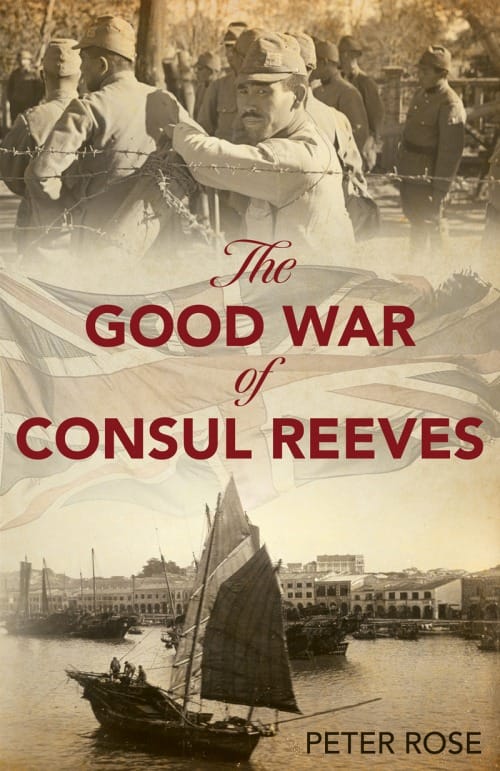
Months before the start of the Pacific War in 1941, John Reeves – his career and marriage failing – is posted as British consul to the tiny Portuguese colony of Macao in southern China.
The Japanese soon declare war on the West with their attacks on Pearl Harbor and Hong Kong. But because Portugal is neutral, Macao is left alone and becomes a tiny island of neutrality, an Asian Casablanca surrounded by Japanese-occupied China.
Reeves, a lonely and awkward man, finds himself the only senior representative of the Allies within a radius of thousands of miles. He runs spy rings, collects intelligence, smuggles people to freedom, takes care of refugees and is threatened with assassination – and The Good War of Consul Reeves tells his story.
-
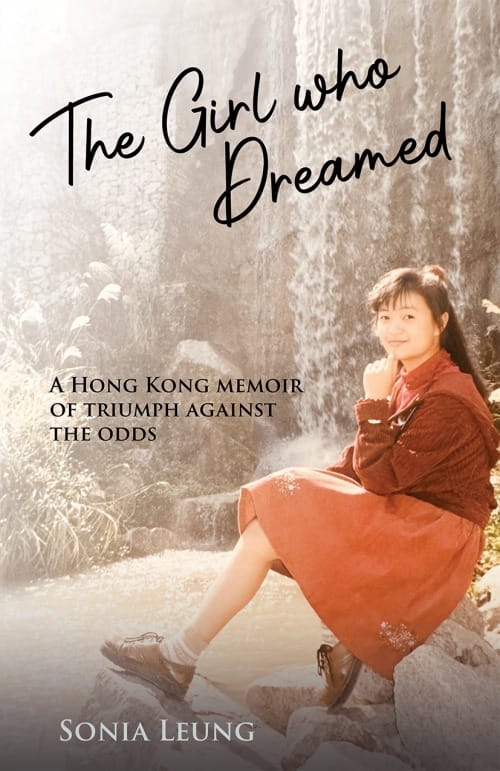
At the age of 14, Sonia Leung was raped by her ping-pong coach.She had moved from China two-and-a-half years earlier to join her family in Hong Kong, but she could not fit in. The family of six lived in a cramped subdivided hut in a Kowloon squatter village but rarely communicated with each other. The difficulties of adjusting to colonial Hong Kong heightened the tensions between her parents. Feeling trapped and unloved, Sonia was too afraid to tell anyone about the rape. She saved money by working part-time at McDonald's and, a year later, she bought a one-way plane ticket to Taipei and ran away from home.The Girl Who Dreamed is a memoir of her childhood in mainland China, Hong Kong and Taiwan – and how, through work and further education, she found her way to an independent life away from the family and world from which she needed to free herself. -
Major Max Devlin, poised for a commanding post in the Royal Gurkha Rifles, is seconded to the SIS for a joint assignment with the CIA at Chakrata, the headquarters of India’s All-Tibetan Special Frontier Force, aka the 22s.
Together with his American counterpart, Devlin is tasked with training and preparing a newly formed elite unit of the 22s for covert cross-border ops inside Tibet, as part of a tripartite project funded by the US to monitor China’s ever-expanding presence in the disputed areas. What begins as a welcome escape for the desk-bound Gurkha officer at the Ministry of Defence quickly becomes deadly toxic – and politically explosive.
A shamanic curse on the misogynist US Ranger risks torpedoing the mission. An Indian cabinet headed by a Sinophile premier and peopled by self-serving ministers is bitterly split on where national (read personal) interests lie. Into the mix come a ruthlessly ambitious Indian intelligence officer whose allegiance is unto himself and a bunch of local politicians bent on avenging the deaths of their salacious sons at the hands of Devlin and his Gurkha sergeant Deepraj.
Once across the Sino-Indian border, the SFF soldiers will be alone – unattributable and expendable if captured by the PLA. Deep into and high on the Himalayas, they come face-to-face with death and torture. Caught in the spinning geopolitical web are three remarkable women – two Tibetan officers and a Muslim combat surgeon – whose courage, faith and skill will be tested to the limits in circumstances beyond their wildest imagination.
As for Devlin, faced with a call on his principles as a professional soldier and the realisation of his cherished ambition in the Royal Gurkha Rifles, he must decide how the die is cast.
A prequel to The Dharma Expedient and Devlin’s Chakra, The Chakrata Incident is Max Devlin’s swansong as a British soldier, setting the scene for his and the trusted Deepraj’s intrepid adventures in the unforgiving terrain that is at the very heart of Asia.
-
With pen-and-ink illustrations by Gary Yeung
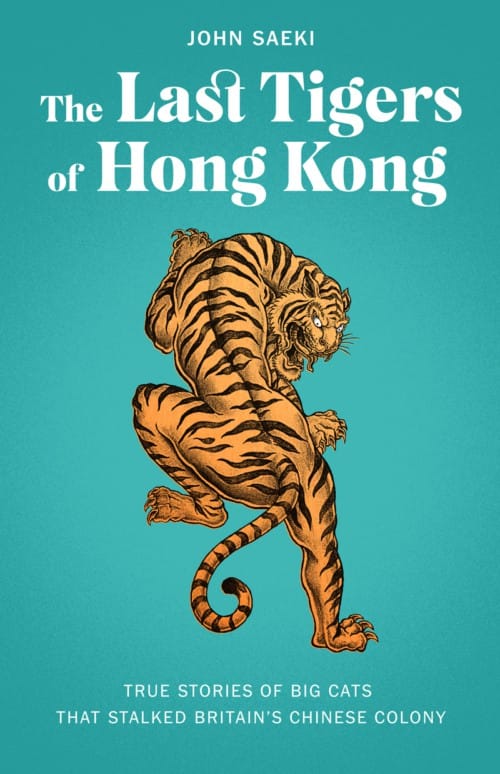
Tigers came to Hong Kong. They preyed on pigs, chickens, cattle and deer. They sometimes killed people. They came to Hong Kong most years through to the end of the 1950s, and possibly into the 1960s. As long as there were South China tigers in the wild, Hong Kong saw some of them.
They stopped coming when they were on their way to extinction in their homeland across the border. Not many people know this, and not many people believe it to be true. But it is true, tigers came. And this is the first written history of the Hong Kong tiger.
LOOK INSIDE THIS BOOK
Introduction Chapter 1
-
With sensitivity and tenderness, Starkie Mak has captured a tale of the immigrant experience, from the eyes of a child. Masterfully rendered with careful homage paid to the children’s books that have touched the hearts of so many, Mak’s brush strokes and calligraphy evoke the turbulent emotions and difficulties a child must surely experience when having their little world upended, only to have a much larger and foreign world unfold before them.
In a heartbreaking parting, a child says goodbye to her family and is left with her imagination as guide. In search of a new life in a new land, a child retreats into the realm of fantasy. Through the devastating pain of childhood loss emerges the joy of a child’s triumph.
-
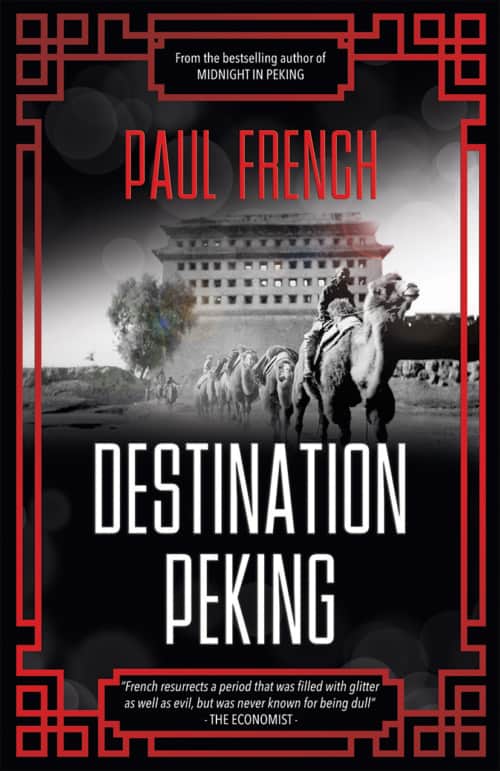
New York Times bestselling author Paul French (Midnight in Peking, City of Devils) returns to the Chinese capital to tell 18 true stories of fascinating people who visited the city in the first half of the 20th century.
From the ultra-wealthy Woolworths heiress Barbara Hutton and her husband the Prince Mdivani, to the poor “American girl” Mona Monteith who worked in the city as a prostitute; from socialite Wallis Simpson and novelist JP Marquand, who held court on the rooftop of the Grand Hôtel de Pékin, to Hollywood screenwriter Harry Hervey, who sought inspiration walking atop the Tartar Wall; from Edgar and Helen Foster Snow – Peking's ‘It' couple of 1935 – to Martha Sawyers, who did so much to aid China against Japan in World War II; Destination Peking brings a lost pre-communist era back to life.
“Paul French resurrects a Peking that was filled with glitter as well as evil, but was never known for being dull.” – The Economist
LOOK INSIDE THIS BOOK
Click the following links to read excerpts from the book. -
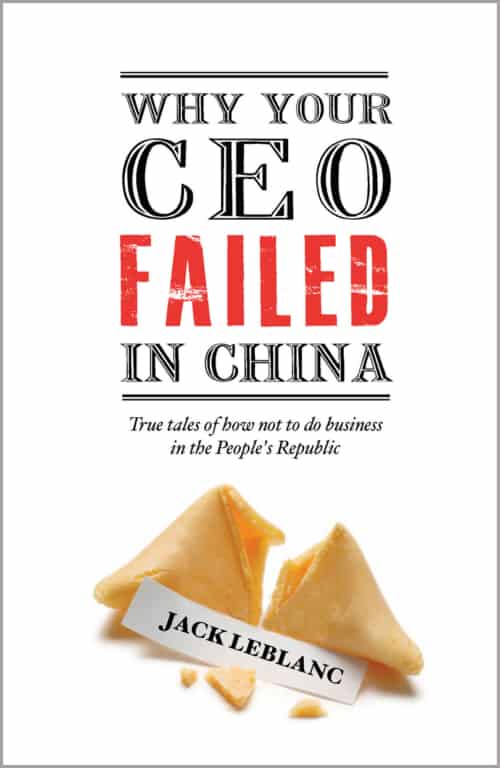
Previously published, in shorter form, as Business Republic of China
Jack Leblanc arrived in China in 1989 intending to teach for just two years. He was to spend the next two decades on a very different learning curve as he became involved in a series of business ventures in almost every part of the Middle Kingdom.
From farmyard to factory, boardroom to banquet, Leblanc witnessed (and occasionally assisted) the transformation of China from a socialist economy into the world's greatest experiment in capitalism. Over time it dawned upon him that the key to success is to manage the differences in Chinese and Western business behaviour. To do well in China you must carefully adapt your strategies – or face ruin faster than you can learn how to use chopsticks.
“This book is rich in practical detail. Leblanc’s experiences make for instructive reading for any foreign executive doing business in China.” — China Economic Review
-
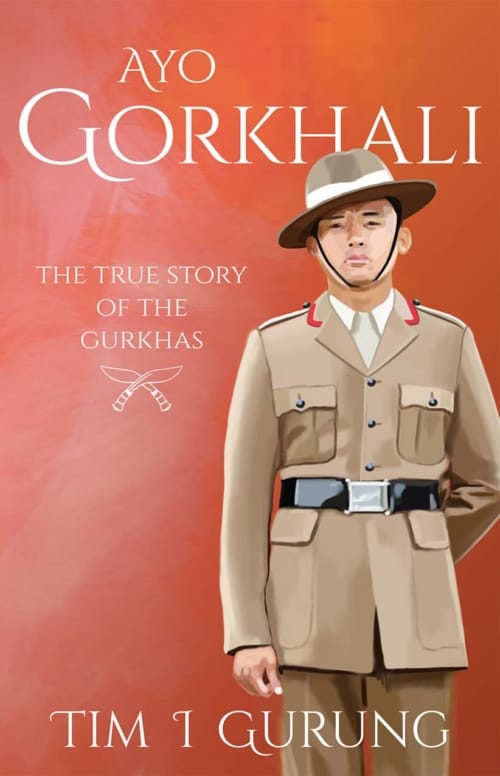
“Ayo Gorkhali!” – “The Gurkhas are upon you!” – is the battle cry of one of the world’s most famous fighting forces. Yet the Gurkha story is not only about bravery in combat. It is also a story of tragedy.
In WWI alone, 200,000 Gurkhas out of Nepal’s five million people took up arms for the British cause. A further 250,000 Gurkhas fought alongside the British in WWII. In their 200-year history, the Gurkhas have served in places such as Malaya, Singapore, Borneo, East Timor, Hong Kong, Cyprus, the Falklands, Iraq, Afghanistan and Kosovo. Although the British Empire’s reign in Asia has ended, some 3,500 Gurkhas are currently serving in the British Army in the UK.
Written by a Gurkha, this book tells the Gurkhas’ story from the very beginning to the present day. It deals with their history and its ramifications on the nation of Nepal.
-
Out of stock
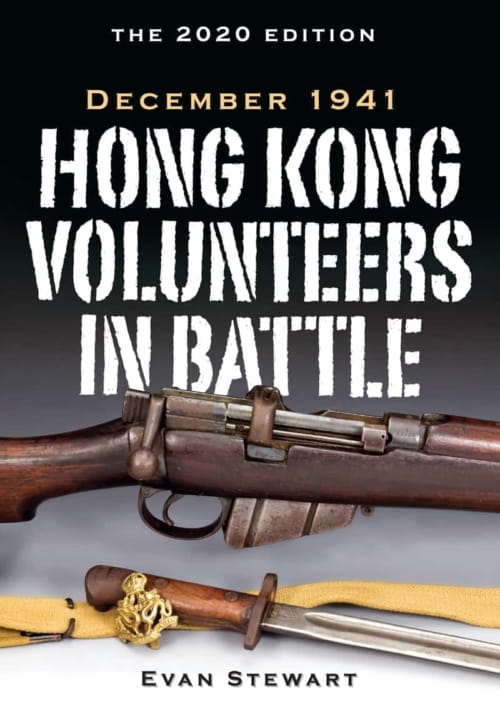
On the same day as the assault on Pearl Harbor, the Japanese army attacked the British Crown Colony of Hong Kong. Among the colony’s garrison were regiments from Britain, Canada and India as well as men from the Hong Kong Volunteer Defence Corps, better known as ‘The Volunteers’.
When the battle began on 8 December 1941, the HKVDC deployed a total fighting strength of 1,900 officers and men. These were mustered into seven infantry companies, five artillery batteries and a single armoured car platoon with a full range of support units.
Over the next 17 days, until the surrender on Christmas Day 1941, the men of ‘The Volunteers’ saw action all over Hong Kong. This is the story of their battle.
-
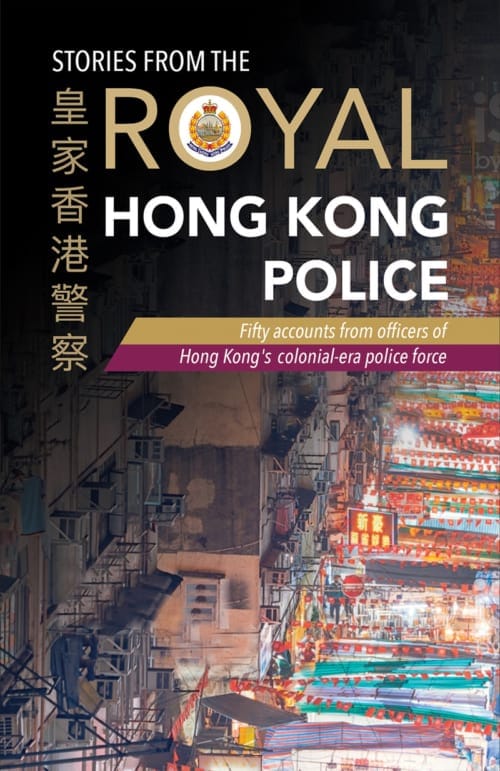
Fighting to survive on a police patrol launch during a typhoon, and investigating a murder by a Vietnamese gangster in a refugee camp. Battling riots during the Cultural Revolution, countering drug smuggling and pimping by the triads, and dealing with bank robbers in a hostage situation. These are just some of the stories told in this riveting compilation of personal experiences of former Royal Hong Kong Police officers.In 1997, Hong Kong returned to Chinese sovereignty after 156 years of British rule. This collection of no-holds-barred accounts by some 50 individual police officers, put together by three former colleagues, illustrates the last decades of the colony’s colourful history. This is what life was really like on the front line.
LOOK INSIDE THIS BOOK
Click the following link to read excerpts from the book. -
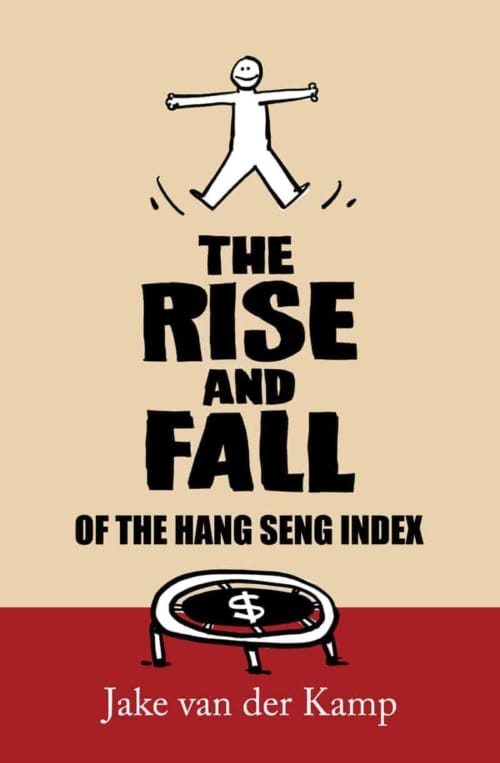
“Every adult human being is an investment expert. Life is an investment exercise and you are your own best investment adviser.”
Jake van der Kamp is a resident of Hong Kong for more than 40 years. He has enjoyed a varied career, working first as an Asian investment analyst and then as a financial columnist for Hong Kong’s South China Morning Post.
In this book he offers a “how to” manual on investment. He argues that you are already your own best adviser on when and what investments to make – and you should rely on investment professionals only for advice on how and where to do so.
-
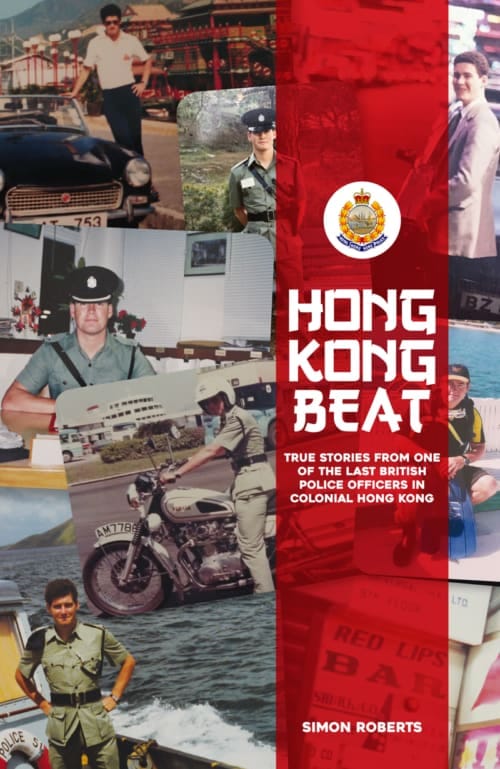
Sex, drugs, gambling, ghosts, drinking, rugby, overseas adventures – and even some police work.
Hong Kong on the edge of empire was a place teeming with triads, smugglers, Chinese immigrants and Vietnamese refugees. Simon’s memoir of his time in the Hong Kong police force – from the 1970s until after the 1997 handover – is a fast-paced tale of his exploits. From the murky back streets of Kowloon to the open seas in the Marine division, his shocking and hilarious tales offer an alternative look back at what life was really like on the Hong Kong beat.
LOOK INSIDE THIS BOOK
Click the following links to read excerpts from the book. -
In the wake of the Hong Kong protests, memories of the colonial past are fading. This new edition of David T. K. Wong’s sweeping historical novel brings the past vividly to life.
The Evergreen Tea House is a deftly crafted, provocative and poignant tale which blends mismatched love and twisted ambition with political intrigue and diplomatic mendacity. Set in Hong Kong during the twilight years of British rule, the characters live through tumultuous events – the Japanese occupation, the Korean War, the Cultural Revolution – and the emotional trauma associated with the Sino-British Joint Declaration, which precipitated Hong Kong's handover to China.
The unique and noteworthy element of this novel, beyond its strong evocation of time and place and its careful melding of facts with fiction, is its interpretation of historical events through a Chinese perspective.
-
In 1969, at the height of China’s Cultural Revolution, a yacht sails out of Hong Kong and disappears. The world’s press takes up the story of the crew who are presumed lost at sea. But Gill and her friends are very much alive, held captive in a Chinese fishing village by Communist militia. As she faces questioning by the People’s Liberation Army, there’s a lot that Gill would rather not tell – that her crew-mates are British soldiers; her flatmates are Japanese, old adversaries of the Chinese; or that her boss, the doyen of advertising in Hong Kong, is well known for ‘firing Reds’.
In this spirited memoir, where Mad Men meets Han Suyin’s A Many Splendoured Thing, Gill recreates a Hong Kong of the imagination. Twenty-one, attractive and naïve, wined and dined by Hong Kong’s elite, Gill learns to stand her ground at her job in an advertising agency under the directive of the narcissistic Mrs Church. Her luck changes when Paddy O’Neil-Dunne joins the firm – he is just as eccentric but much more fun. After several visits to a casino in the nearby Portuguese enclave of Macau, Paddy embarks on the longest roulette game ever played and he insists Gill join in. But Gill finds the sparkling waters of Hong Kong’s seascape more seductive than the world of business and money; she takes up sailing and falls in love.
The backdrop is a gift. The Colony is an anachronism, a last vestige of British colonialism. Yet as Communist ideology gathers pace in neighbouring China, Hong Kong seizes every new opportunity and so does the author. Unexpected twists and a host of funny, bizarre and whimsical events are captured in her lyrical memoir.
Carefully bundled and tied together with ribbon, Gill’s letters from Hong Kong had remained untouched for nearly fifty years. When she untied them, she remembered her father’s words: “I think there’s a book in there.”
-
18 true stories of those who went...
For the privileged a cosmopolitan pleasure ground; for the desperate a port of last resort.
A pot of gold at the end of an Oriental rainbow; a thick slice of hell denounced from the pulpit.
The start of a journey for many; the end of the road for some.
A place to find fame, or to seek anonymity; rogues, chancers, showgirls, criminals…
For so many people from so many lands, there was one phrase that sent a tingle of hope or a shiver of anticipation down every spine:
“DESTINATION SHANGHAI”
Look inside this book
Click on the following links to read pages from Destination Shanghai. You will need a pdf reader to view these excerpts.
Contents and IntroductionShanghai’s Most Charming Gangster: Elly ‘The Swiss’ Widler (1940)
-
Confessions of a Hong Kong Naturalist is a natural history memoir, tracing the journey from novice to expert of an aspiring naturalist, Graham Reels, as he follows a trail of discovery into the miraculously fascinating and diverse world of Hong Kong's wildlife.
The memoir falls naturally into two parts, the first covering the seven-year period 1988-1995 in which Reels gained the knowledge and experience that qualified him to undertake the Hong Kong Biodiversity Survey in 1995-1998. Early chapters include descriptions of work as a research assistant at Hong Kong University, an M.Phil. study from a hut at Mai Po Marshes Nature Reserve, a survey of Hong Kong's freshwater wetlands, and work at Kadoorie Farm & Botanic Garden. The territory-wide Biodiversity Survey is covered in the second half of the book.
Throughout the memoir, different animal species that Reels encountered (mammals, birds, reptiles, amphibians, insects) are named and described, and their ecological or behavioural attributes discussed in a lively and informal manner. Similarly, a range of fascinating human characters whose lives intersected with the author's in his study of Hong Kong's wildlife are introduced and engagingly portrayed.
-
“I can’t visualise us getting out of this, but I want to TRY to believe in a future,” wrote 23-year-old Barbara Anslow (then Redwood) in her diary on 8th December 1941, a few hours after Japan first attacked Hong Kong.
Barbara's 1941-1945 diaries (with post-war explanations where necessary) are an invaluable source of information on the civilian experience in British Hong Kong during the second world war. The diaries record her thoughts and experiences through the fighting, the surrender, three-and-a-half years of internment, then liberation and adjustment to normal life.
The diaries have been quoted by leading historians on the subject. Now they are available in print for the first time, making them available to a wider audience.
Look inside this book
Click on the following link to read pages from Tin Hats and Rice. You will need a pdf reader to view this excerpt. -
The stories of expatriates in Hong Kong – the most dynamic, dramatic and diverse city in the Asia-Pacific region – come to life in this book.
Why did they come? Why do they stay? How did Hong Kong change them and their view of the world? What did they gain and what did they lose?
Human beings are on the move, driven by economic globalisation, political persecution, love or simple curiosity; and this global flow defines the age in which we live. From these expat stories, larger themes loom: identities transformed; racism, naked and clothed; blended relationships; and the tensions and tolerance engendered through peoples, languages and cultures in contact.
Look inside this book Click on the following link to read pages from Other Voices, Other Eyes. You will need a pdf reader to view this excerpt. To begin at the beginning -
with cartoons by Ming
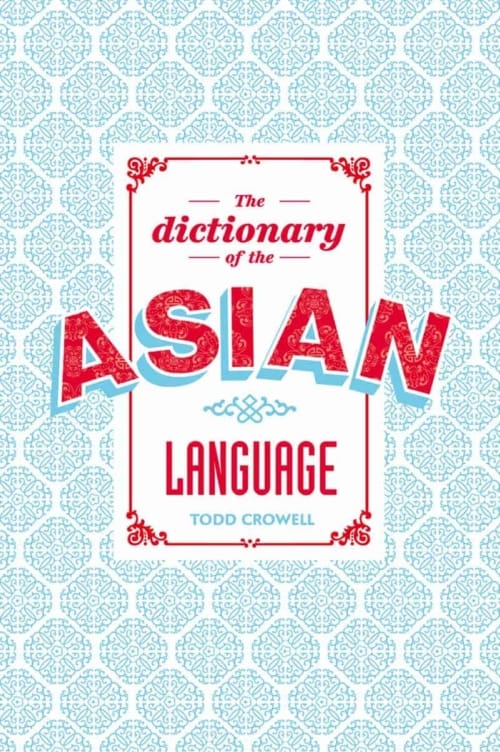
Of course there is no single Asian language. But plenty of vogue words from this booming continent are entering English.
Did you know there is a flower named after former North Korean dictator Kim Jong-il? The Chinese have a word – shengnu, literally leftover – for the new phenomenon of unmarried women over thirty. Can you tell your jeepney from your jilbab, or yakuza from the yellowshirts?
These are just some of the hundreds of words that illuminate little corners of life and culture in a pan-Asian selection of keywords from the zeitgeist.
Look inside this book
Click on the following link to read pages from The Dictionary of the Asian Language. You will need a pdf reader to view this excerpt. -
Out of stock
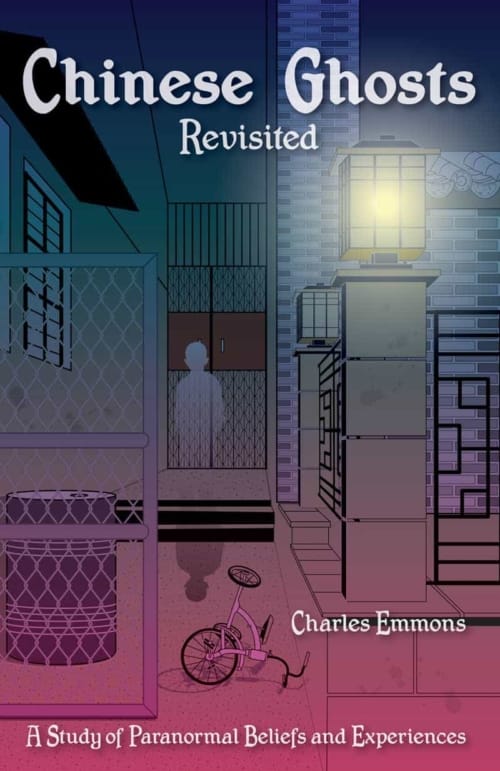
Do the Hong Kong Chinese experience ghosts, hauntings, spirit mediumship, ESP and other paranormal phenomena just like people in the West? Or is their culture so different that the ghost accounts in this book will seem bizarre to anyone else?
This classic presentation of cases is based on 3,600 interviews, questionnaires and observations in Hong Kong in 1980/81, updated by recent materials over 30 years later. Interestingly, in spite of clear influences from ancestor worship and Confucian/Taoist/Buddhist culture, parapsychological theories of apparitions from the West also apply to the Chinese cases.
For this 2017 edition, Charles Emmons has revisited his earlier conclusions and added new material that has come to light in the intervening years. This book remains the only major cross-cultural study comparing Chinese with Western ghost experiences.
Look inside this book
Click on the following link to read pages from Chinese Ghosts. You will need a pdf reader to view this excerpt. -
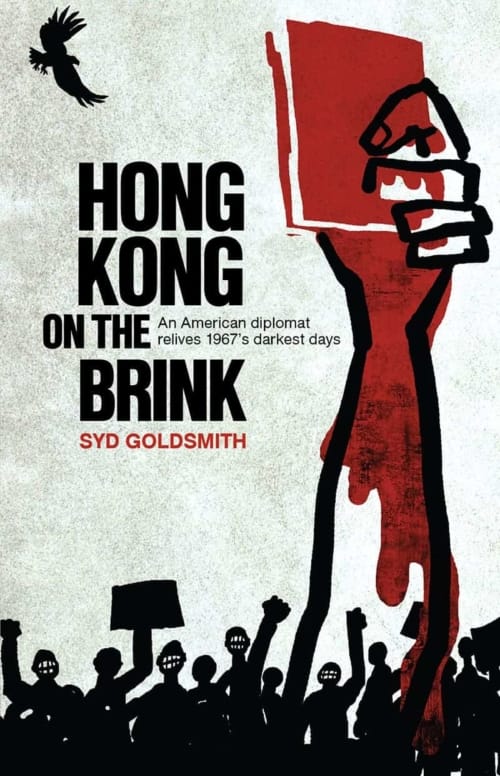
Syd Goldsmith’s first taste of China’s Cultural Revolution is blood on his tongue. It’s 1967. Hong Kong is simmering, plagued by communist-led riots and strikes, crippled transport, punishing water-rationing, takeover threats from Beijing and roadside bombs. And Syd — the only Caucasian Foreign Service Officer at the American Consulate General who speaks Cantonese — is made responsible for reporting and analysis of the Hong Kong government’s ability to survive.
The CIA station chief and the head of Macau’s gold syndicate play major roles in Syd’s story, along with Newsweek’s Sydney Liu and Maynard Parker, and a steady stream of inquiring foreign correspondents and China-watchers. Richard Nixon makes a cameo appearance — to talk football with Syd since the consul general won’t see him — in this riveting memoir of a year when Hong Kong’s “borrowed time” seemed about to expire.
Look inside this book
Click on the following link to read pages from Hong Kong on the Brink. You will need a pdf reader to view this excerpt. -
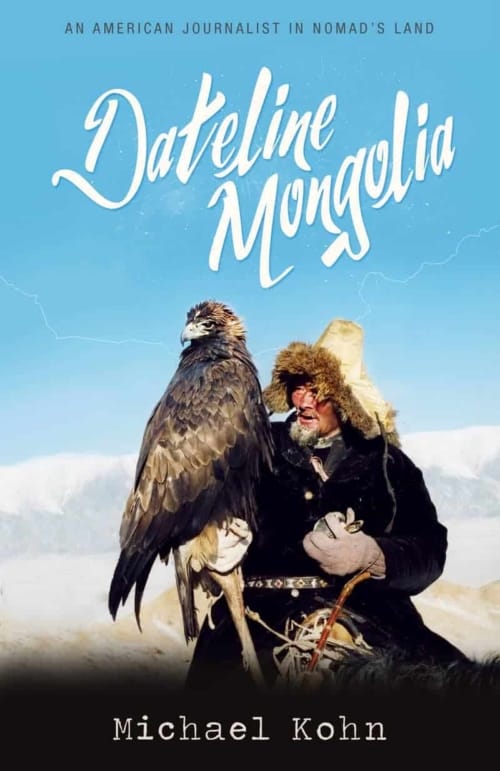
Michael Kohn, former editor of the Mongol Messenger newspaper, is one steppe ahead of the journalistic posse in this epic Western set in the Far East.
Kohn’s memoir of his time in Mongolia is an irresistible account of a nation where falcon poachers, cattle rustlers, exiled Buddhist leaders, death-defying child jockeys and political assassins vie for page one. A turf war between lamas, shamans, Mormon elders and ministers provides the spiritual backdrop in this nation which had only just been liberated from Soviet rule. From the reincarnated Bogd Khaan and his press spokesman to vodka-fuelled racing entrepreneurs and political leaders unclear on the concept of freedom of the press, Kohn explores one of Asia’s most fascinating, mysterious and misunderstood lands.
“Genghis Khan may have stormed across the steppes seven centuries ago but Michael Kohn has probably covered nearly as many miles around one of the world’s most remote and untamed nations.” — Tony Wheeler, founder, Lonely Planet
Look inside this book
Click on the following link to read pages from Dateline Mongolia. You will need a pdf reader to view this excerpt. -
Out of stock
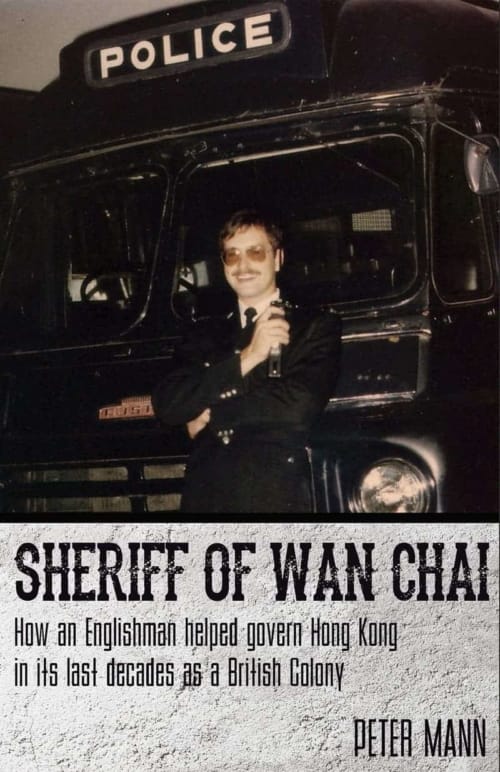
In 1976, Peter Mann left a gloomy England for the last corner of the British empire: Hong Kong.
As a police inspector, he commanded a sub-unit and led a district vice squad in Kowloon, before joining the colonial government’s Administrative Service and working in the fields of transport, housing, security, environment and tourism. He also served as District Officer, Wan Chai. From raids on gambling dens to organising Governors' visits, his work involved him in all levels of Hong Kong society.
Mann’s memoir is an anecdotal, historical and racy account of Hong Kong’s last decades as a British colony and the colourful story of a young Englishman in the twilight of empire.
“Hong Kong is one of the most intriguing places in the world and its modern history is endlessly fascinating. This book is a highly readable addition to the canon of memoirs which illuminate the period.” – Rachel Cartland, author of Paper Tigress
Look inside this book
Click on the following link to read pages from Sheriff of Wan Chai. You will need a pdf reader to view this excerpt. Arrival in Hong Kong -
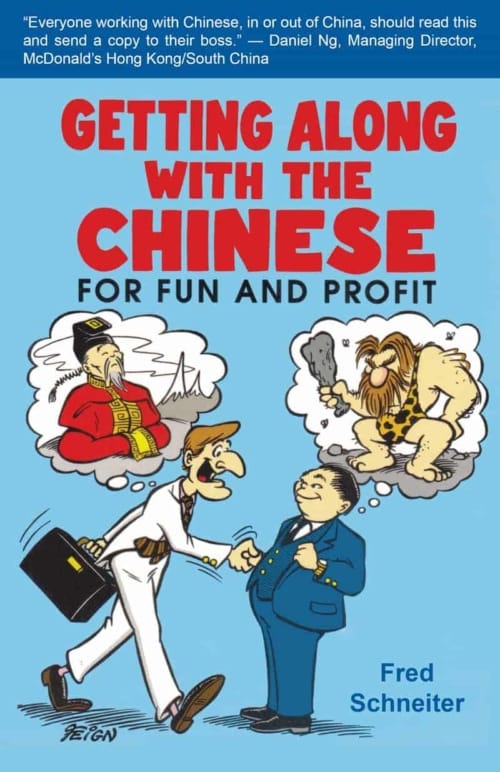
Are the Chinese really so inscrutable?
China Hand Fred Schneiter delves into the lighter side of Chinese psychology, and in doing so demystifies one of the toughest markets in the world. With an unfailing sense of humor, he offers insights for Sinophiles, Sinophobes and everyone in between. On the Hong Kong bestsellers list for twelve months, this book is now back in a new edition — the essential item to pack in your China survival kit.
"Everyone working with Chinese, in or out of China, should read this and send a copy to their boss." -- Daniel Ng, managing director, McDonald's Hong Kong/South China
"Should be required reading for everyone setting out for China for the first time. Lighthearted and highly readable." -- Donald M. Anderson, president, US-China Business Council
Look inside this book!
Click on the following link to read pages from Getting Along with the Chinese. You will need a pdf reader to view this excerpt. -
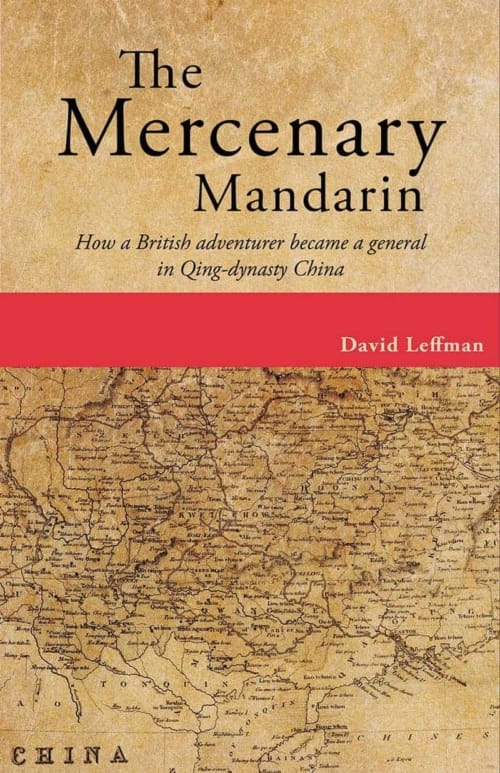
Jersey-born William Mesny ran off to sea as a boy and jumped ship at Shanghai in 1860 when he was just 18. Amid the chaos of foreign intrigue and civil war in 19th-century China, he became a smuggler, a prisoner of the Taiping rebels, a gun-runner and finally enlisted in the Chinese military.
After five years of fierce campaigning against the Miao in remote Guizhou province, Mesny rose to the rank of general and used this privileged position to travel around China – to the borders with Burma, Tibet and Vietnam – writing opinionated newspaper articles, collecting plants and advising government officials on the development of railways, telegraphs and other modern reforms.
Mesny eventually settled in Shanghai with a 16-year-old concubine and published Mesny's Chinese Miscellany, a weekly magazine about his experiences. But his story was not to end well. After his implication in an illicit arms deal, his fortunes never recovered, and when he died in 1919 he was working as a desk clerk.
David Leffman has spent over 15 years footstepping Mesny’s travels across China, interviewing locals and piecing together his life story from contemporary journals, private letters and newspaper articles.
Look inside this book
Click on the following links to view sample pages from The Mercenary Mandarin. You will need a pdf reader to view these excerpts. Foreword
-
Out of stock
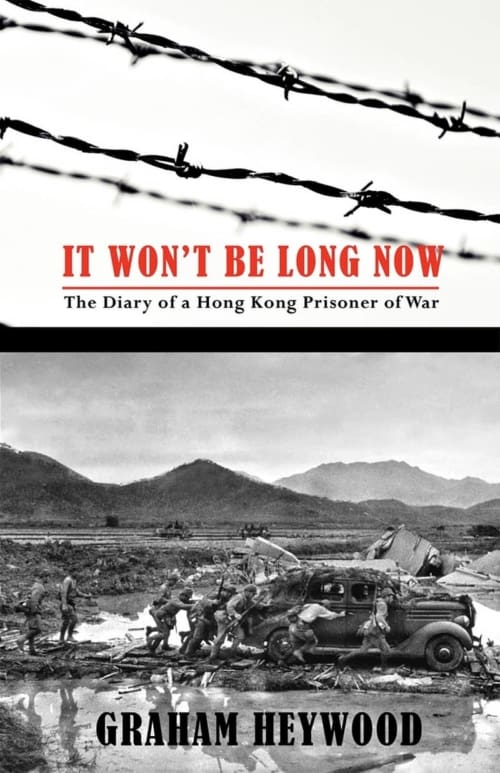
Japan marched into Hong Kong at the outbreak of the Pacific War on December 8, 1941. On the same day, Graham Heywood was captured by the invading Japanese near the border while carrying out duties for the Royal Observatory. He was held at various places in the New Territories before being transported to the military Prisoner-of-War camp in Sham Shui Po, Kowloon. The Japanese refused to allow Heywood and his colleague Leonard Starbuck to join the civilians at the Stanley internment camp.
Heywood’s illustrated diary records his three-and-a-half years of internment, telling a story of hardship, adversity, and survival of malnutrition and disease; as well as repeated hopes of liberation and disappointment. As he awaits the end of the war, his reflections upon freedom and imprisonment bring realisations about life and how to live it.
“Accounts of life in the internment camp differed widely. One friend, an enthusiastic biologist, was full of his doings; he had grown champion vegetables, had seen all sort of rare birds (including vultures, after the corpses) and had run a successful yeast brewery. Altogether, he said, it had been a great experience ... a bit too long, perhaps, but not bad fun at all. Another ended up her account by saying ‘Oh, Mr. Heywood, it was hell on earth’. It all depended on their point of view.”
Heywood’s highly positive attitude to life is food for thought for all of us today, in the midst of increasing consumerism but decreasing spiritual satisfaction. We have enjoyed freedom and an abundance of material wealth in the 70 years since the end of the Pacific War, but we may not always recognise our true good fortune.
Look inside this book
Click on the following links to view sample pages from It Won't Be Long Now. You will need a pdf reader to view these excerpts. Foreword Chapter 1 - Capture -
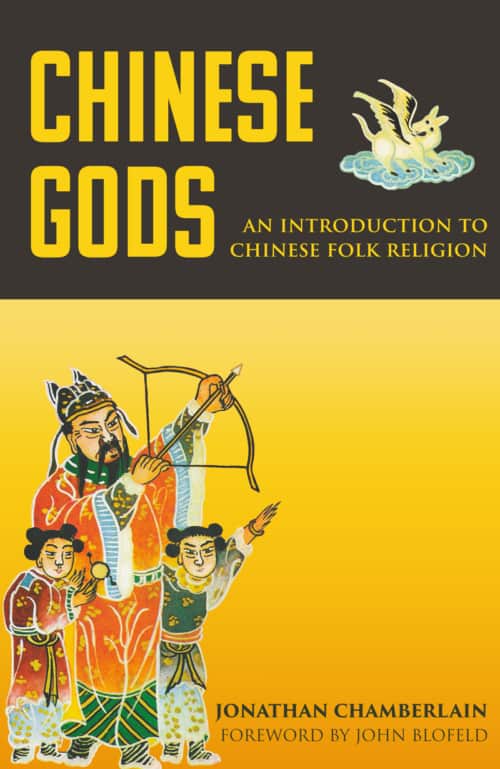
with a foreword by John BlofeldChinese gods: Who are they? Where did they come from? What do they do?
Chinese folk religion is the underlying belief system of more than a billion Chinese people. Go into any Chinese home, office or restaurant and you will see altars, statues or paper ‘good luck’ images. And wherever there is a Chinese community there are temples and Earth God shrines. But what is the religion that makes sense of all these expressions of belief? How do these beliefs connect to Taoism, Confucianism and Buddhism?
Chinese Gods helps us understand the building blocks of this religion for which even the Chinese have no name – because the beliefs are so intertwined with language and culture they have no independent existence – and provides an in-depth analysis of 19 of the major gods of the Chinese pantheon.
Look inside this book Click on the links to view sample pages from Chinese Gods.
-
with a foreword by Sir David Tang
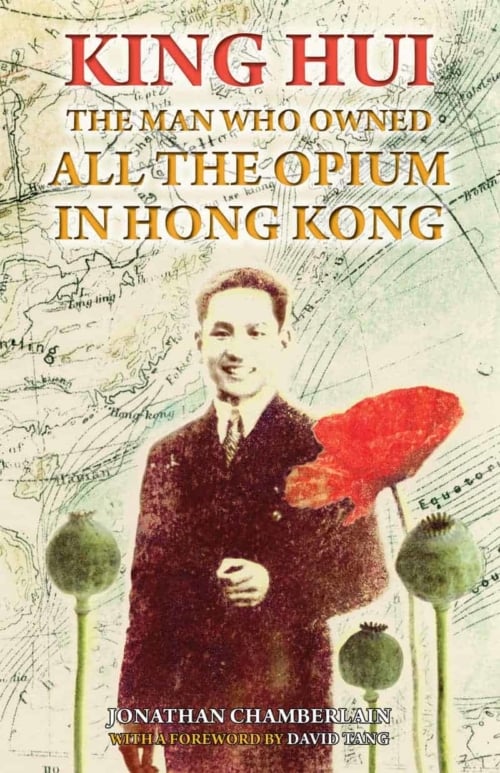
From the start of the Korean war to the end of the Vietnam war, Hong Kong was a major R&R centre for soldiers and sailors. And there were thousands of local people who made their money making sure these visitors had a good time and got the suits and the girls they wanted. In fact they didn’t just wait for their customers to arrive – they sailed out in a flotilla of small boats to greet the ships as they entered the harbour. And then, when the ships had anchored, they shimmied up the anchor chain to be the first to get the orders for shirts and trousers. These were the tailor shop order men. Peter Hui was one of them.
But who was Peter? What was his story?
Well, before he took to being a tailor he had been a famous kung fu fighter; a rich playboy, a frequenter of the pleasure houses of Macau; a gambler (he had run three gambling joints in Canton when the Communists walked in); the brains behind a gang of armed robbers (he alone escaped arrest when their third robbery went wrong); an associate of triads – and, before all that, he had been the owner of the biggest string of Mongolian ponies at the Hong Kong Jockey Club – that was during the war years when he was a leading collaborator of the Japanese. He had once, for a very short time, owned all the opium in Hong Kong!
Later, after his tailoring days had gone flat, he was paid by a CIA officer to report on events in China. This was during the tumultuous years of the Cultural Revolution, when Red Guard factions fought amongst each other.
Some periods in history are best illuminated by the stories of men and women who lived through them. This is one of those stories. As we follow Peter’s life – his ups, his downs – we see in sharp focus what it was like to be a Chinese man in the British colony of Hong Kong through most of the years of the 20th century. This is the true, bizarre story of a man who knew everybody and saw everything. He wasn’t a wicked man. He was just trying to get by, like everyone else. This is his truly fascinating story.
And yet this book is not just one man’s story. It is the story of a time and place – colonial Hong Kong, Portuguese Macau and the south China hinterland between Hong Kong and Canton – seen from the unique point of view of a man who was at home at all levels of society. There are, for example, no other published accounts of the Japanese occupation of Hong Kong as seen from the non-combatant Chinese perspective.
The World of Suzie Wong was a best-selling novel in the 1960s – and this story is its background. If Suzie had been a real girl, Peter would have known her.
Look inside this book
Click on the following link to view sample pages from King Hui. You will need a pdf reader to view this excerpt. -
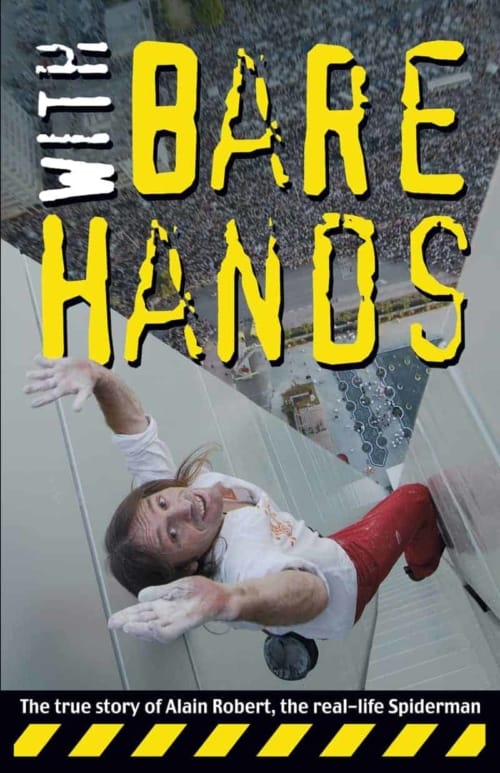
Overcoming vertigo — and countless injuries which have left him officially disabled — the 'Human Spider' has scaled nearly 100 skyscrapers worldwide: from the Petronas Towers in Malaysia to Taipei 101, from Chicago's Sears Tower to the Golden Gate Bridge. Reward and punishment have been received in equal measure — the flamboyant Frenchman has gained international fame and raised thousands of dollars for charity, but has also been arrested, beaten and prosecuted.
Many people ask whether it is madness to undertake such perilous ascents without the use of safety equipment. But in Alain's view, it is madness not to follow your dreams! This is the inspiring story of a man who has conquered fear and exceeded his own limits: the world's greatest urban climber.
"For Robert, tall buildings are his mountains. He eulogises the views from their summits and (police permitting) revels in the freedom." — The Guardian
Look inside this book
Click on the links below to view sample pages from With Bare Hands. You will need a pdf reader to view these excerpts. -
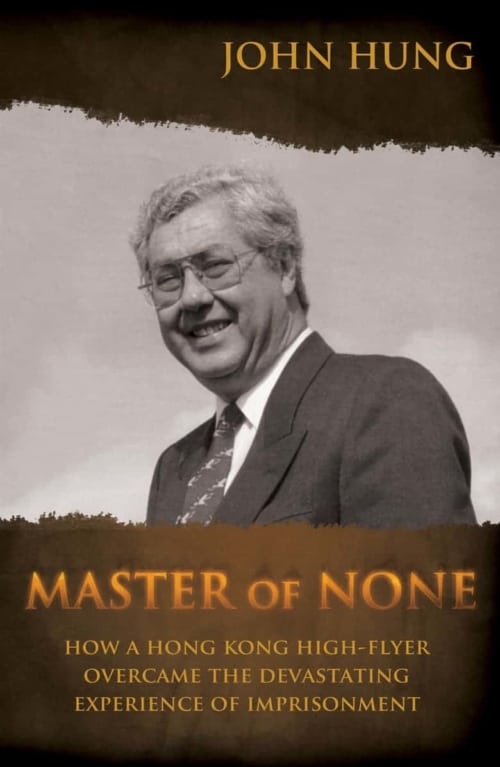
Does a man need a stint in jail to complete his life experiences?
From Stanley Prison, corporate high-flyer John T. Hung recounts his life in a sweep of Hong Kong history over five generations – from his family roots in the 19th century through World War II to the present.
The story tracks the richness of his mixed heritage and upbringing, his steady rise and precipitous fall from the pinnacles of corporate Hong Kong to the life-destroying court case and heartbreaking incarceration.
With wry and subtle humour, Hung describes his colourful yet volatile life, interwoven into the social, commercial, political and sporting tapestry of Hong Kong and South East Asia.
Master of None is a soulful exploration of human achievements, frailties, resilience in the face of adversity, and above all, the importance of family support in overcoming whatever fate may deal us.
Look inside this book
Click on these links to view sample pages from Master of None. You will need a pdf reader to view these excerpts. -
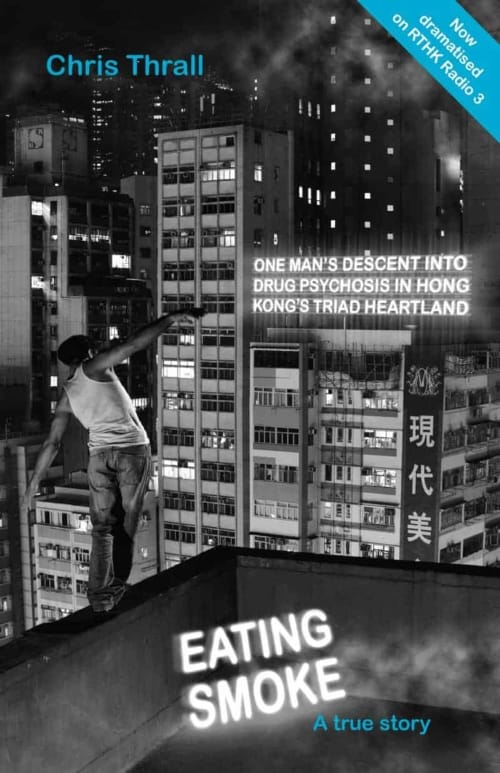
Chris Thrall left the Royal Marines to find his fortune in Hong Kong, but instead found himself homeless and hooked on crystal methamphetamine.
Soon he began working for the 14K, Hong Kong’s largest crime family, as a doorman in one of their nightclubs in the Wan Chai red-light district.
Dealing with psychosis, conspiracy and the ‘foreign triad’ – a secretive expat clique which, unbeknown to the world, works hand-in-hand with the Chinese mafia – he had to survive in the world’s most unforgiving city, addicted to the world’s most dangerous drug.
“A triad-controlled nightclub is not a clever place to work if you’re addicted to a drug with a tendency to induce horrifying paranoia. A lot of bad stuff is going to happen and it’s very easy for an Ice-addled mind to imagine that even worse stuff is also going on. This is at the heart of Thrall’s nightmare and it’s a narrative device that makes Eating Smoke work so well.” – South China Morning Post
Look inside this book
Click on this link to view sample pages from Eating Smoke. You will need a pdf reader to view this excerpt. -
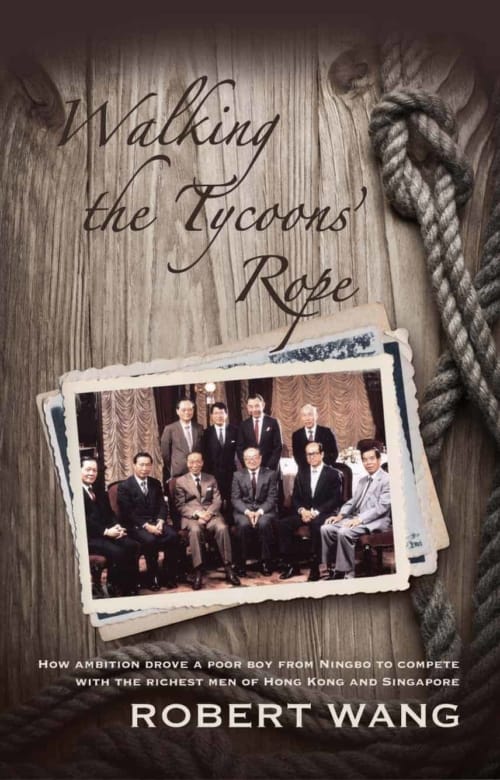
Robert Wang fled the Chinese civil war at the age of five and came to Hong Kong with nothing. The colony was a harsh place in the 1950s and 1960s. But he was determined to rise to the top – and through hard work and resolve, he got there. The law firm he founded grew into the city’s fifth largest.
With the clock ticking towards the handover of Hong Kong to China, and no one knowing what the end of British rule would bring, Robert hatched an audacious scheme to safeguard the fortunes of Hong Kong’s richest tycoons. He would convince Singapore to take them in.
At last, he was walking with kings: dealing one-on-one with the most powerful businessmen and politicians of Hong Kong and Southeast Asia. It was an exhilarating experience – but climbing so high has its dangers. After unwittingly offending the wrong power brokers, he was cast aside and left to defend himself against the damnation of corporate rumours.
Robert’s rags-to-riches story offers a rare look inside the unimaginably wealthy world of Hong Kong’s property tycoons; but also, as he tells the tale of four generations of his family, we learn that it is the traditional values of tolerance, filial piety and loyalty which endure.
"A riveting read." – Sir Run Run Shaw, Founder, Shaw Prize
Look inside this book
Click on these links to view sample pages from Walking the Tycoons' Rope. You will need a pdf reader to view these excerpts. -
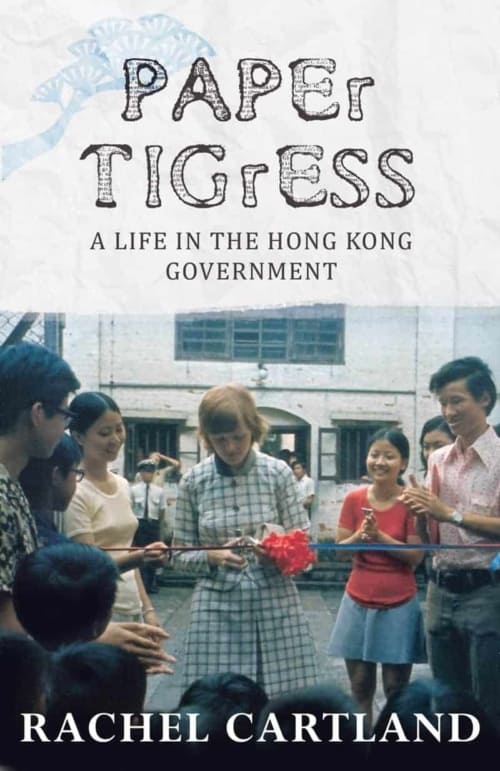
Rachel Cartland came to Hong Kong in 1972 as one of just two female expatriates in the Hong Kong Government’s elite administrative grade.
Before she retired in 2006, her life was shaped by the momentous events that rocked Hong Kong during those action-packed years: corruption and the police mutiny, the growth of the new towns, the currency crisis of 1983, Tiananmen Square, the change of sovereignty and the devastation of SARS. The backdrop to her story ranges from Kowloon’s infamous Walled City to Government House to the rural New Territories.
Paper Tigress is full of humour and incident and, at the same time, an accessible account of modern Hong Kong and the forces that shaped it.
"Rachel’s remarkable recollection of an exciting era in Hong Kong not only brings back 40 years of shared memories, but is a fair and often amusing story of how colleagues in the Administrative Service worked together to build up this modern city – and, in the process, injected core values that hopefully will stand Hong Kong in good stead for years to come.” – Shelley Lee Lai-kuen, GBS, OBE, JP, former Permanent Secretary for Home Affairs
Look inside this book
Click on the link below to read pages from Paper Tigress. You will need a pdf reader to view these excerpts. -
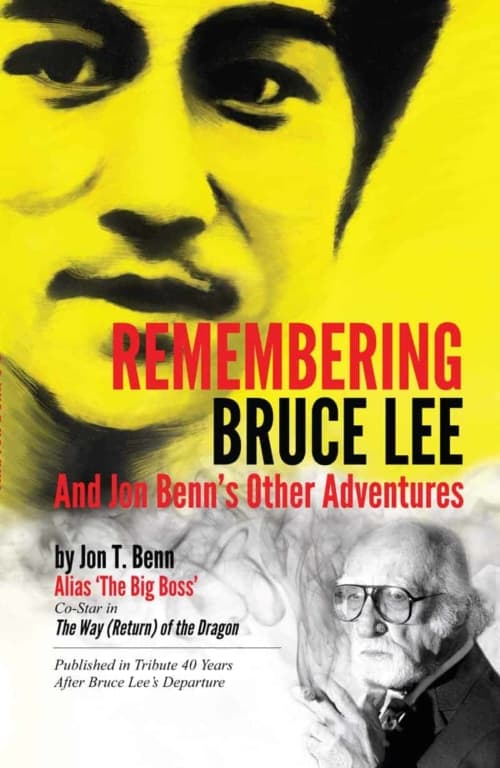
“Kung Fu?” The Big Boss Loves Adventure
Even four decades after the passing of Asian martial-arts superstar Bruce Lee (1940-73), his achievements still attract adoration from millions of movie fans. The biggest fan of all may be Jon Benn, who befriended the high-kicking hero while playing “the Big Boss”, a villain in Lee’s acclaimed 1972 movie The Way of the Dragon.
In Remembering Bruce Lee, a tell-tale autobiography, Jon reminisces fondly about his experiences with Lee and a lifetime of other adventures. From facing Lee’s fists of fury to riding in a cowboy posse, from almost starting the Third World War to a nude scene with sex symbol Bo Derek, much has happened to Jon for the sake of appearing in movies.
But that’s not all. From exploring ancient Mexican temples and falling into a volcano to eavesdropping on communists in Cold War Europe, from doing business with former Philippines dictator Ferdinand Marcos to girls-in-hot-pants waving Passports to Pleasure, one heck of a lot has happened to Jon away from the cameras too.
Look inside this book
Click on the link to read pages from Remembering Bruce Lee. You will need a pdf reader to view these excerpts. -
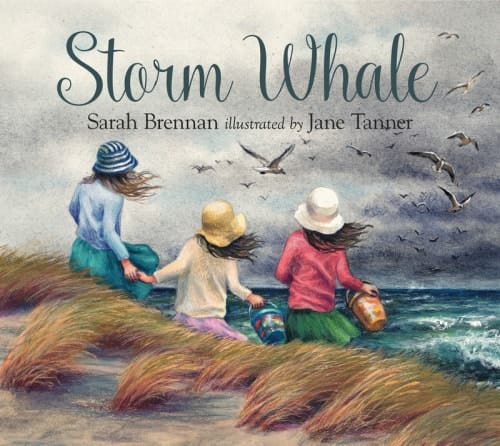
Illustrated by Jane Tanner
Shortlisted for the 2018 Australian Prime Minister's Literary Award, Children's Fiction
A captivating and beautifully illustrated story about three sisters who find a stranded whale on a windswept beach and try to save it.Bleak was the day and the wind whipped down
when I and my sisters walked to town ...
With a powerful, poetic text, wonderful to read aloud, and illustrations full of life and movement, Storm Whale celebrates the majesty and vulnerability of nature and our place in it."A story of the sea and the possibilities of interactions between humans and other creatures… a story of human kindness and hope" - Magpies
Ages 4 to 8
-
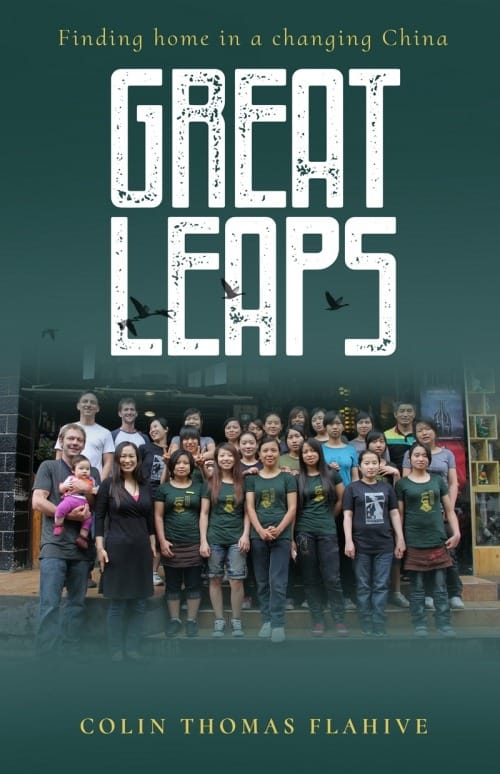
In Great Leaps, Colin Flahive explores China’s rural-urban migration against the backdrop of his own transition from Colorado to southwest China. There, in Yunnan province, he partnered with three friends to open a café that became much more than simply an outpost of Western cuisine in a far-flung corner of the world. Over the course of a decade, Salvador’s Coffee House became home to more than fifty young women from mountain villages in the surrounding countryside. Most knew nothing about coffee or Western food, but they moved to the city to work at Salvador’s and earn their independence. Great Leaps follows the challenges faced by Colin, his partners and his employees as they leave their old lives behind to make a new home in a foreign land. They encounter unlikely successes, endure heartbreaks and nearly lose everything. But by taking the leap together, they all find their own places in the modern Chinese dream. Look inside this book Click on the following link to read pages from Great Leaps. You will need a pdf reader to view these excerpts. Chapter 1: From the Countryside -
20th anniversary edition
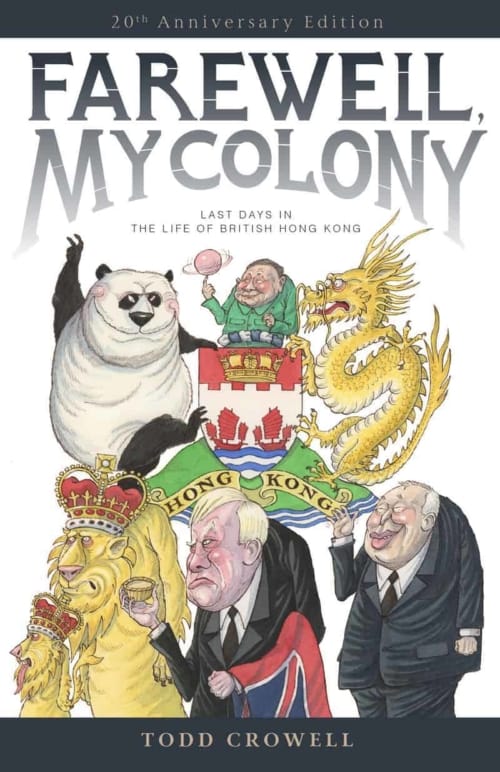
In the heart of Beijing, a large digital clock marked off the seconds until July 1, 1997, when the red, five-star flag of China would be hoisted over Hong Kong – and the grand but untried idea of “one country, two systems” would be put into practice.
Farewell, My Colony is a real-time journal of the end of an era by an objective observer. American journalist Todd Crowell captures a unique moment in history as Britain stoically soldiers through the last months of its 156 years of colonial rule, China waits restlessly to resume its sovereignty, and Hong Kong buzzes with endless speculation.
He tells how Hong Kong’s Chinese and expatriates, taipans and cagemen come to terms with the impending change of rule. He mingles with the rich and famous and common people alike. A long-term resident, he votes in elections controversially called by Governor Chris Patten. He then follows the selection of a rival legislature, and of Patten’s successor, shipping magnate Tung Chee-hwa, as the first chief executive of the Hong Kong Special Administrative Region.
The city’s pulse is charted by his pen, through to the pomp, circumstance and partying of the day of handover itself. Now, 20 years later, Crowell has updated this valuable historical record with reflections on what has happened to Hong Kong since 1997.
-
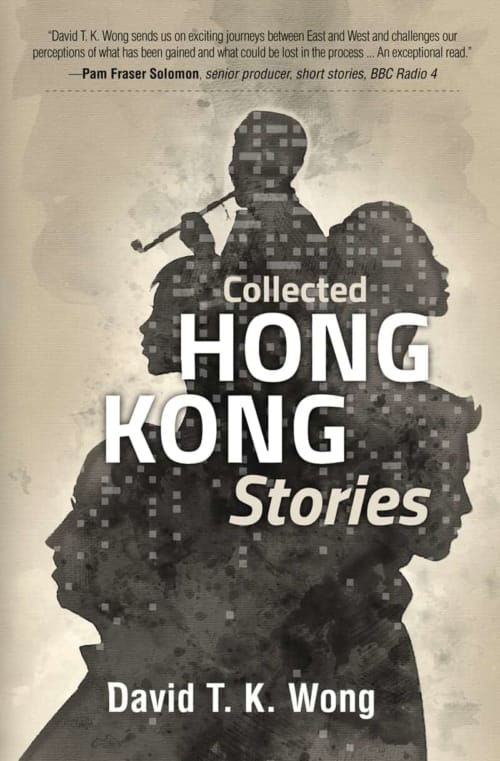
For an arresting mosaic of the great and complex metropolis known as Hong Kong – and an insight into what the people of the city live by and die for – a reader need look no further than the Collected Hong Kong Stories of David T. K. Wong.
Wong, a native son of this once British Crown Colony and now Special Administrative Region of China, has drawn upon his own experiences as a journalist, educator, government official and businessman to assemble a range of memorable characters for his tales. They range from barmen to labourers, from jockeys to expatriate bureaucrats, from scholars to tycoons, and each is infused with insights into the collective soul of the edgy, anomalous and perplexing place he finds himself.
These 18 stories are carefully crafted in the grand tradition of O. Henry, Maugham and Saki. Each has been individually published in a magazine or broadcast over radio in Britain, the United States, Hong Kong or elsewhere. They can be dipped into and savoured separately or feasted upon all in one go. Either way, the result can only be satisfying.
“David T. K. Wong is an exceptionally fluent writer whose compelling stories cover a wide range of themes. His talent sparkles, inveigles and mesmerizes.” – Sylvia Tankel, Editor of Short Stories International
Look inside this book
Click on the following links to read pages from Collected Hong Kong Stories. You will need a pdf reader to view these excerpts. One Two -
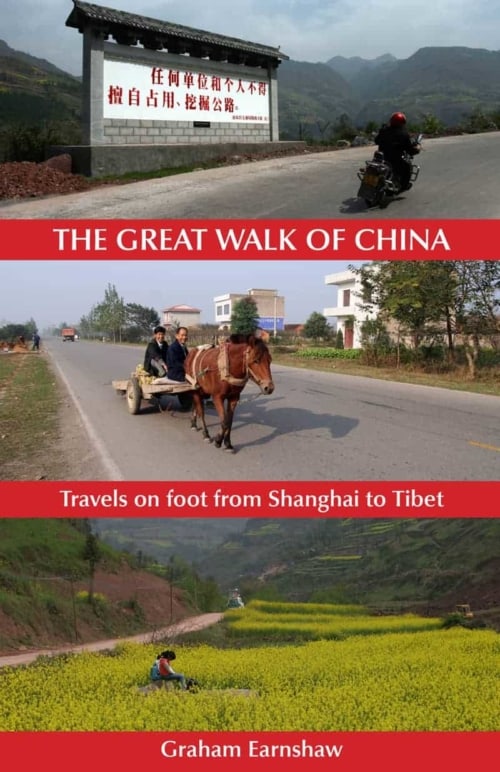
What kind of people would you meet if you decided to walk across the world's most populous country?
The Great Walk of China is a journey into China's heartland, away from its surging coastal cities, where the ripples of prosperity are only just beginning to be felt and many find themselves left behind.
Through his conversations with the people he meets along the way, the Chinese-speaking Earnshaw paints a portrait of a nation struggling to come to terms with its newfound identity and its place in the world. Our wandering guide never backs away from sensitive and sometimes uncomfortable topics, and captures the essential kindness and generosity of the Chinese people with brilliant clarity.
Look inside this book
Click on the following link to view sample pages from The Great Walk of China. You will need a pdf reader to view this excerpt.